PharmaVk
  • HOME
  • PHARMA
    • QA
    • QC
    • Engineering
    • Regulatory Affairs
    • HR
    • EHS
    • Stores & Supply Chain
    • SOPs
  • HEALTHCARE
    • Diet & Nutrition
    • Workout
    • Fitness
    • Health Tips
    • Weight Loss
    • Gym
    • Lifestyle
  • MICROBIOLOGY
    • Bacteriology
    • Food Microbiology
    • Immunology
    • Industrial Microbiology
    • Medical Microbiology
    • Molecular Biology
    • Mycology
    • Parasitology
    • Pharmaceutical Microbiology
    • Virology
  • RESOURCES
    • PDF Files
    • Calculators
    • Checklists
    • Glossary
    • Interview Questions
    • Protocols
    • SOPs
    • Syllabus
    • Templates
  • CAREER
    • Pharma Jobs
    • Microbiology Jobs
    • Career Tips
    • CV & Resume
    • GMP Training
  • ABOUT
    • About Us
    • Contact Us
    • Write for Us
    • Advertise

Microbiology

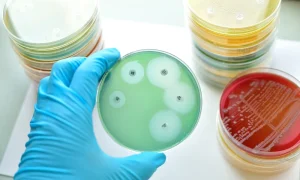
Agricultural microbiology is a branch of science that studies different microorganisms that are associated with plants, soil fertility, and even animal diseases.

  • The microorganisms associated with plants include organisms of different groups like bacteria, fungi, actinomycetes, and protozoa.
  • Agricultural microbiology has been extensively studied for the decade as it helps to understand the importance of relevant microbial strains to agricultural applications to minimize agricultural loss, increase soil fertility, and harvest.
  • There is a symbiotic relationship between plants and the associated microorganisms where both benefit from each other.
  • Besides, different topics within agricultural microbiology help in the diagnosis and prevention of plant diseases that might result from plant pathogens.
  • Agricultural microbiology helps in the understanding of the specific plant requirements that include soil texture, soil nutrients, water content, and associated microorganisms.
  • Based on the studies made in agricultural microbiology, different microorganisms can be used for different purposes, all ultimately leading to minimizing loss of plant and plant products and increasing fertility and harvest.
  • These studies also help reduce production costs and explore areas for the production of plants in laboratories via techniques like plant tissue culture.
  • The dominant group of microorganisms found in the soil and plants is bacteria. These bacteria are present in a symbiotic relationship with the plants to help in processes like nitrogen fixation and mineral supply.
  • Bacteria are followed by actinomycetes, as the second most dominant group. Actinomycetes are also studied in agricultural microbiology as they produce different groups of antibiotics and also help in increasing the fertility of the soil.
  • Well-aerated, cultivated, or acidic soils are mostly colonized by fungi which in association with plants help in increasing the harvest by providing necessary minerals and vitamins.
  • Agricultural microbiology allows for the exploration of new and advanced techniques that can be used in agricultural practices to make the practices safer and reliable.
Microbiology Industrial Microbiology Pharmaceutical Microbiology

Hidden Science behind the Autoclave

September 24, 2026 · 1 min read
Hidden Science behind the Autoclave

About An autoclave uses moist heat under pressure to achieve complete sterilization. It works through three core mechanisms. Elevated Temperature via Pressure: By trapping steam and raising internal pressure to…

Read more

Pharmaceutical Microbiology

Low Endotoxin Recovery (LER): 5 Critical Investigation Steps

September 23, 2026 · 11 min read
Low Endotoxin Recovery

Low Endotoxin Recovery (LER): Causes, Risk and Investigation Low Endotoxin Recovery (LER) is an important consideration in bacterial endotoxin testing when a product formulation reduces the measurable recovery of endotoxin…

Read more
Pharmaceutical Microbiology

Neutralization Validation in Disinfectant Testing: 7 Key Steps

September 19, 2026 · 8 min read
neutralization validation in disinfectant testing microbiology lab

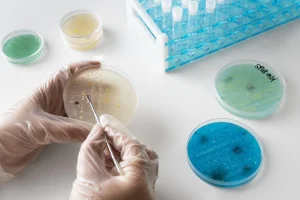
Neutralization validation in disinfectant testing is an important part of evaluating disinfectant efficacy in pharmaceutical microbiology. When a disinfectant is tested against microorganisms, its antimicrobial activity has to be stopped…

Read more
Microbiology QC

Disinfectant Efficacy Testing in Pharma: 7 Proven Steps & Validation

September 17, 2026 · 12 min read

Disinfectant efficacy testing in pharmaceutical industry practice helps demonstrate that a selected disinfectant can effectively reduce or eliminate microorganisms under defined conditions of use  essential for maintaining microbiological control in…

Read more
Microbiology

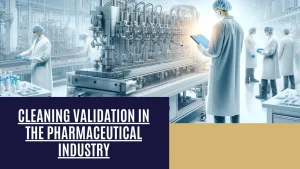
Cleaning Validation in Pharma: Critical Guide to MACO, HBEL & PDE

September 13, 2026 · 9 min read
cleaning validation in pharma equipment

Cleaning validation in pharma is documented evidence that a cleaning procedure consistently removes product residues, cleaning agents, and other contaminants from equipment down to a predetermined, acceptable level. It matters…

Read more
Microbiology

PUPSIT Pharmaceutical Manufacturing: Complete, Critical 4-Step Guide

September 10, 2026 · 6 min read
PUPSIT in pharmaceutical manufacturing process

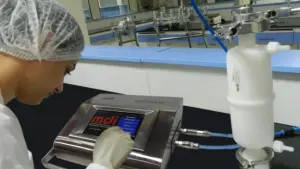
PUPSIT Pharmaceutical Manufacturing: Meaning, Importance and Process PUPSIT pharmaceutical manufacturing is a quality control step used to confirm that a sterilizing-grade filter has not been damaged during sterilization, handling, or…

Read more
Pharmaceutical Microbiology

Alert Level vs Action Level: 6 Critical Steps to Set Limits

August 30, 2026 · 4 min read

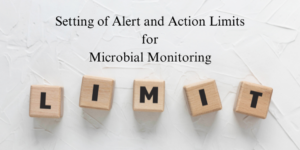
Alert Level vs Action Level is a distinction that matters anywhere environmental or process data is trended against thresholds cleanrooms, manufacturing, and laboratory settings like pharmaceutical or bioburden control. An…

Read more
Pharmaceutical Microbiology

Method Suitability Test: 4 Critical Steps & Why It’s Required

August 30, 2026 · 5 min read

Method Suitability Test: What It Is, How It Works, and Why It Matters A Method Suitability Test  also known as bacteriostasis and fungistasis (B/F) testing  is a validation process used…

Read more
Microbiology

Antimicrobial Effectiveness Testing (AET): What It Is, How It Works, and Why It Matters

August 28, 2026 · 4 min read

Antimicrobial Effectiveness Testing (AET)  also known as Preservative Effectiveness Testing (PET) or USP <51>  is a standardized laboratory method used to measure how well a product’s preservative system kills or…

Read more
Microbiology

pH in Microbiological Culture Media: 5 Critical Points

August 28, 2026 · 4 min read

Why Is pH Important in Microbiological Culture Media? pH in Microbiological Culture Media is one of those details that’s easy to overlook but directly controls whether a test even works.…

Read more

Posts pagination

Previous 1 2 3 4 … 25 Next

Topics / Categories

  • Industrial Microbiology (1)
  • Interview Questions (1)
  • Microbiology (225)
  • Pharmaceutical Microbiology (19)
  • QA (6)
  • QC (7)
  • Uncategorized (3)
  • Our Team
  • Advisory Board
  • About Us
  • Contact Us
  • Editorial Policy
  • Privacy Policy
  • Cookie policy
  • Disclaimer (Terms and Condition)

© 2026 PharmaVk. All Rights Reserved.