PharmaVk
  • HOME
  • PHARMA
    • QA
    • QC
    • Engineering
    • Regulatory Affairs
    • HR
    • EHS
    • Stores & Supply Chain
    • SOPs
  • HEALTHCARE
    • Diet & Nutrition
    • Workout
    • Fitness
    • Health Tips
    • Weight Loss
    • Gym
    • Lifestyle
  • MICROBIOLOGY
    • Bacteriology
    • Food Microbiology
    • Immunology
    • Industrial Microbiology
    • Medical Microbiology
    • Molecular Biology
    • Mycology
    • Parasitology
    • Pharmaceutical Microbiology
    • Virology
  • RESOURCES
    • PDF Files
    • Calculators
    • Checklists
    • Glossary
    • Interview Questions
    • Protocols
    • SOPs
    • Syllabus
    • Templates
  • CAREER
    • Pharma Jobs
    • Microbiology Jobs
    • Career Tips
    • CV & Resume
    • GMP Training
  • ABOUT
    • About Us
    • Contact Us
    • Write for Us
    • Advertise

Microbiology

Agricultural microbiology is a branch of science that studies different microorganisms that are associated with plants, soil fertility, and even animal diseases.

  • The microorganisms associated with plants include organisms of different groups like bacteria, fungi, actinomycetes, and protozoa.
  • Agricultural microbiology has been extensively studied for the decade as it helps to understand the importance of relevant microbial strains to agricultural applications to minimize agricultural loss, increase soil fertility, and harvest.
  • There is a symbiotic relationship between plants and the associated microorganisms where both benefit from each other.
  • Besides, different topics within agricultural microbiology help in the diagnosis and prevention of plant diseases that might result from plant pathogens.
  • Agricultural microbiology helps in the understanding of the specific plant requirements that include soil texture, soil nutrients, water content, and associated microorganisms.
  • Based on the studies made in agricultural microbiology, different microorganisms can be used for different purposes, all ultimately leading to minimizing loss of plant and plant products and increasing fertility and harvest.
  • These studies also help reduce production costs and explore areas for the production of plants in laboratories via techniques like plant tissue culture.
  • The dominant group of microorganisms found in the soil and plants is bacteria. These bacteria are present in a symbiotic relationship with the plants to help in processes like nitrogen fixation and mineral supply.
  • Bacteria are followed by actinomycetes, as the second most dominant group. Actinomycetes are also studied in agricultural microbiology as they produce different groups of antibiotics and also help in increasing the fertility of the soil.
  • Well-aerated, cultivated, or acidic soils are mostly colonized by fungi which in association with plants help in increasing the harvest by providing necessary minerals and vitamins.
  • Agricultural microbiology allows for the exploration of new and advanced techniques that can be used in agricultural practices to make the practices safer and reliable.
Pharmaceutical Microbiology

Laboratory Glassware Calibration and Verification in Pharma QC

October 23, 2026 · 14 min read
Pharmaceutical QC analyst checking volumetric glassware calibration using a balance, volumetric flask and pipette

Laboratory Glassware Calibration is an important part of pharmaceutical quality control (QC), where accurate volume measurements directly influence analytical results. Volumetric flasks, pipettes, burettes, and other measuring devices are commonly…

Read more


Pharmaceutical Microbiology

Preservative Effectiveness Testing: 8 Factors Affecting Results

October 21, 2026 · 14 min read
Preservative effectiveness testing in a pharmaceutical microbiology laboratory.

Introduction Preservative Effectiveness Testing (PET) is an important microbiological test used to evaluate whether an antimicrobial preservative system can control the growth of microorganisms in a pharmaceutical product. It is…

Read more
Pharmaceutical Microbiology

Impurity Limits in Pharmaceuticals: How Specifications Are Established

October 21, 2026 · 16 min read
Pharmaceutical QC analyst evaluating impurity profiles and HPLC chromatograms to establish specifications.

Introduction Impurity limits in pharmaceuticals are established to ensure that drug substances and finished drug products meet appropriate quality and safety requirements. During pharmaceutical manufacturing, storage, and packaging, impurities may…

Read more
Pharmaceutical Microbiology

Change Control in Pharmaceutical Manufacturing: From Initiation to Closure

October 16, 2026 · 12 min read
Change control process in pharmaceutical manufacturing from initiation to closure

Introduction Change control in pharmaceutical manufacturing is a systematic process used to propose, evaluate, approve, implement, and review changes that may affect product quality, patient safety, data integrity, or regulatory…

Read more
Pharmaceutical Microbiology

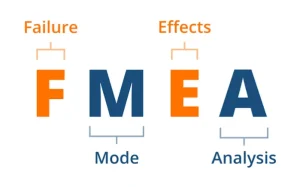
Risk Assessment in Pharma: FMEA Explained with a Practical Example

October 14, 2026 · 12 min read
Pharmaceutical quality risk assessment using an FMEA worksheet to evaluate severity, occurrence, and detectability.

Risk assessment in the pharmaceutical industry helps identify potential problems before they affect product quality, patient safety, or regulatory compliance. Pharmaceutical manufacturers use structured risk assessment methods to evaluate hazards,…

Read more
Pharmaceutical Microbiology

Biological Indicators vs Chemical Indicators in Sterilization: Key Differences in Pharma

October 13, 2026 · 12 min read

Sterilization is a critical process in pharmaceutical manufacturing, microbiology laboratories, healthcare facilities, and medical-device production. It helps ensure that products, equipment, materials, and components meet the required microbiological quality standards.…

Read more
Pharmaceutical Microbiology

Surface Monitoring Methods: Contact Plates vs Swabs in Pharmaceutical Microbiology

October 12, 2026 · 12 min read
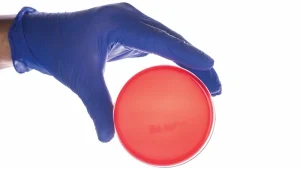
Contact plates and sterile swabs used for surface monitoring in a pharmaceutical microbiology laboratory.

Introduction Surface monitoring methods are an essential part of environmental monitoring in pharmaceutical microbiology. They help assess the microbiological condition of equipment, work surfaces, cleanroom areas, and other locations where…

Read more
Pharmaceutical Microbiology

Culture Media Dehydration: Causes, Effects and Prevention in Pharmaceutical Microbiology

October 11, 2026 · 10 min read
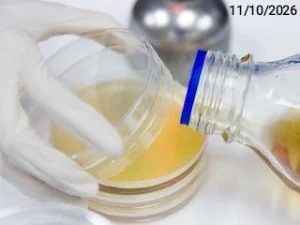
Culture media dehydration showing dry and cracked agar plates in a pharmaceutical microbiology laboratory

Introduction Culture media dehydration is the loss of moisture from prepared microbiological culture media, particularly agar plates, during storage, handling, transportation, or incubation. In pharmaceutical microbiology laboratories, excessive moisture loss…

Read more
Pharmaceutical Microbiology

Microbial Limit Test (MLT) in Pharmaceuticals: Principle, Procedure, Types and Acceptance Criteria

October 10, 2026 · 13 min read
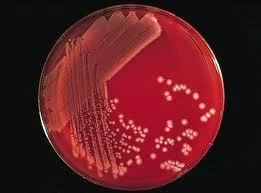
Microbial Limit Test in Pharmaceuticals using culture media and microbial enumeration

The Microbial Limit Test in Pharmaceuticals is an important microbiological quality control test used to evaluate the microbial quality of nonsterile pharmaceutical products. It helps determine the number of viable…

Read more
Microbiology

Neutralization of Antimicrobial Properties in Microbiological Testing: Methods, Examples and Importance

October 9, 2026 · 12 min read
Neutralization of antimicrobial properties in pharmaceutical microbiological testing

Introduction Neutralization of antimicrobial properties in microbiological testing is an important concept in pharmaceutical microbiology and microbiological quality control (QC). Pharmaceutical products may contain preservatives, antimicrobial active pharmaceutical ingredients (APIs),…

Read more

Posts pagination

Previous 1 2 3 4 5 … 27 Next

Topics / Categories

  • Calculators (1)
  • Diet & Nutrition (1)
  • Industrial Microbiology (2)
  • Interview Questions (2)
  • Microbiology (223)
  • Pharma (1)
  • Pharma Jobs (14)
  • Pharmaceutical Microbiology (49)
  • QA (17)
  • QC (7)
  • SOPs (3)
  • Our Team
  • Advisory Board
  • About Us
  • Contact Us
  • Editorial Policy
  • Privacy Policy
  • Cookie policy
  • Disclaimer (Terms and Condition)

© 2026 PharmaVk. All Rights Reserved.