Explain about oxidation test?

Explain about oxidation test?
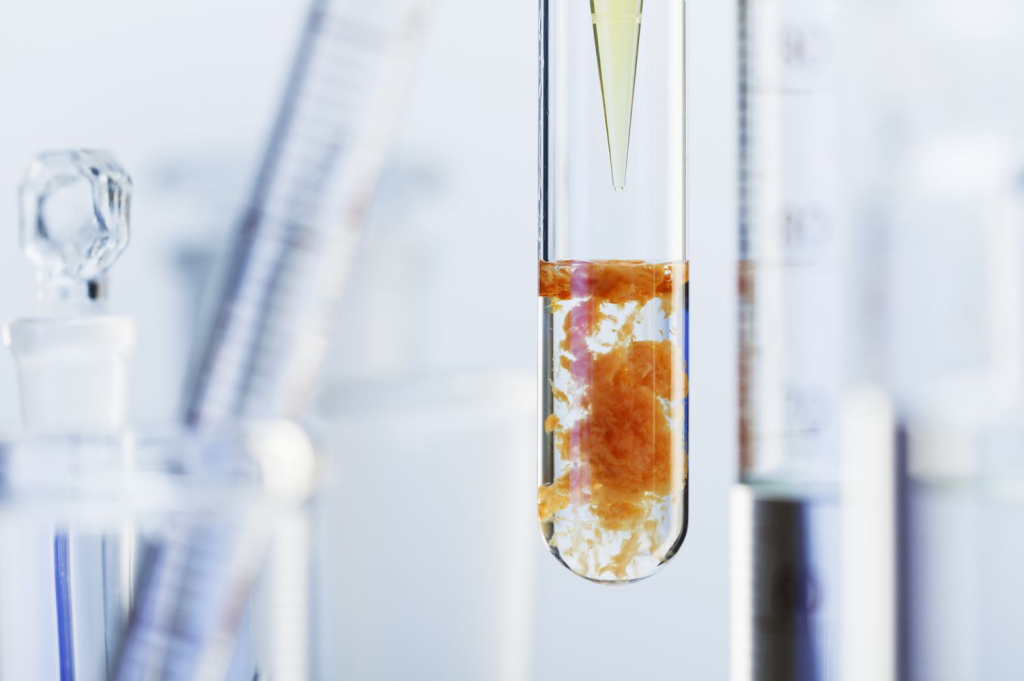
Bacteria utilize glucose and other carbohydrates through various metabolic pathways. Some pathways are oxidative, while others involve fermentation reactions. The Oxidation-Fermentation (O/F) test, also known as the Ox-Ferm test, is…

Read more
Why are water samples stored at 2–8°C?

Why are water samples stored at 2–8°C?

Microbiological water analysis estimates the number of bacteria present and identifiesmicroorganisms. The microbial population in a water sample can change over time, which can lead to inaccurate assessments of water…

Read more

Why is saline used for swabs?

Why is saline used for swabs?

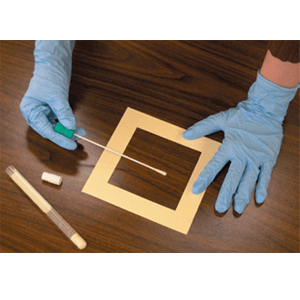
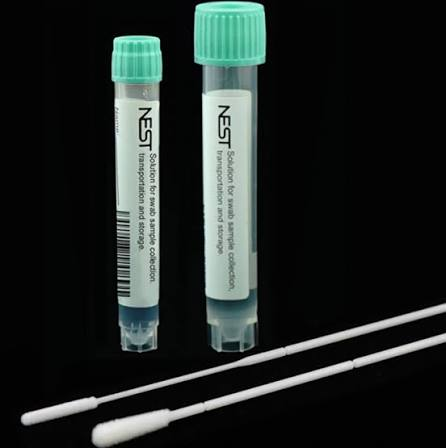
Saline is commonly used for swabs in microbiology and clinical applications because itprovides an isotonic environment that preserves cell integrity M𝗮𝗶𝗻𝘁𝗮𝗶𝗻𝘀 𝗠𝗼𝗶𝘀𝘁𝘂𝗿𝗲Saline keeps the swab moist, preventing the sample from…

Read more

Which solution do you use for fumigation?

Which solution do you use for fumigation?

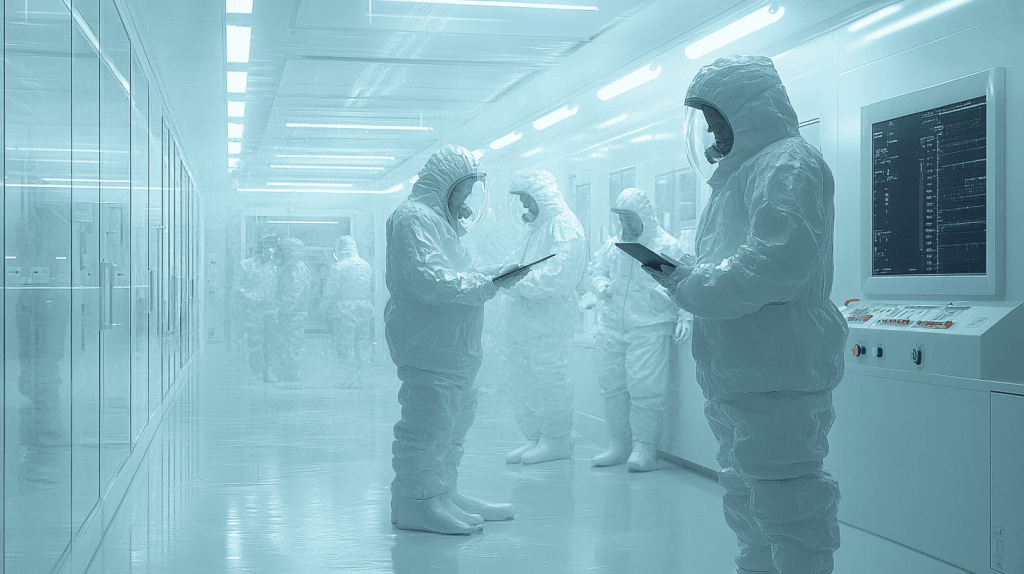
Fumigation in cleanrooms and controlled environments, the most commonly used solutionsare: H𝘆𝗱𝗿𝗼𝗴𝗲𝗻 𝗣𝗲𝗿𝗼𝘅𝗶𝗱𝗲 𝗩𝗮𝗽𝗼𝗿 (𝗛𝗣𝗩)Widely used due to its effectiveness in sterilizing surfaces and air. F𝗼𝗿𝗺𝗮𝗹𝗱𝗲𝗵𝘆𝗱𝗲An older method, but still…

Read more

Are EM plates exposed after fumigation?

Are EM plates exposed after fumigation?

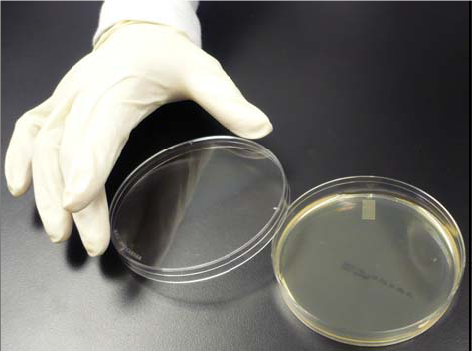
After fumigation in a cleanroom or controlled environment, exposing EnvironmentalMonitoring (EM) plates is not typically done immediately. P𝗼𝘀𝘁-𝗙𝘂𝗺𝗶𝗴𝗮𝘁𝗶𝗼𝗻 𝗪𝗮𝗶𝘁𝗶𝗻𝗴 𝗣𝗲𝗿𝗶𝗼𝗱After fumigation, there is usually a waiting period to allow the…

Read more

How do you decontaminate media?

How do you decontaminate media?

Decontamination in an autoclave refers to the process of using high-temperature steam underpressure to kill or inactivate harmful microorganisms, including bacteria, viruses, fungi, andspores, on equipment, media, or waste. The…

Read more