Decontamination in an autoclave refers to the process of using high-temperature steam under
pressure to kill or inactivate harmful microorganisms, including bacteria, viruses, fungi, and
spores, on equipment, media, or waste.
The goal is to render these materials safe for handling, reuse, or disposal.
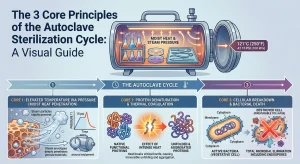
The autoclave generates steam at around 121°C (250°F) under 15 psi pressure.
The materials are exposed to the steam for a set duration, typically 15-300 minutes,
depending on the load.
The combination of heat, pressure, and time destroys microbial life, making the treated items
sterile (free from viable microorganisms) or reducing contamination to a safe level.
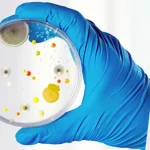
After realizing plates, discard plates into the autoclave bag.
Higher temperature resistant.
Superior strength polypropylene(PP)bag.
Steam sterilization upto 135°C, High thickness (above 50 m)
High chemical resistance.
Load the media into the autoclave, ensuring there’s enough space for steam circulation.
Start the autoclave cycle.
Once the cycle is complete, allow pressure to drop naturally before opening the autoclave
door.
Carefully remove the media, ensuring you use heat-resistant gloves.
Check that the autoclave tape or indicator strips show successful sterilization.
Protect media from biohazards by covering it.
Weigh how many kgs of biohazard media and attach the label.
Inform to EHS department.
Transporting biohazard media on a daily or weekly basis