What is the principle of oil immersion microscopy?
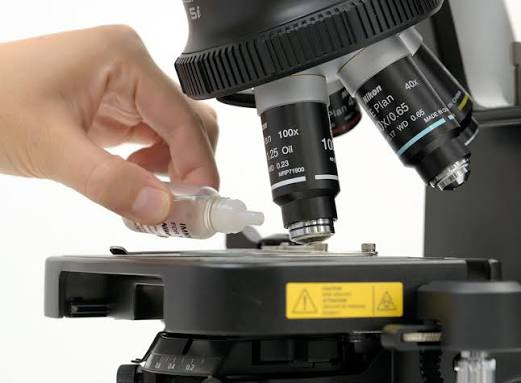
When a ray of light passes from a denser medium (such as glass or cedarwood oil) into a rarer medium (such as air), it typically bends away from the normal,…
Read more
When a ray of light passes from a denser medium (such as glass or cedarwood oil) into a rarer medium (such as air), it typically bends away from the normal,…
Read more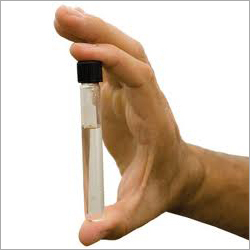
Microbiological water analysis estimates the number of bacteria present and identifiesmicroorganisms. The microbial population in a water sample can change over time, which can lead to inaccurate assessments of water…
Read more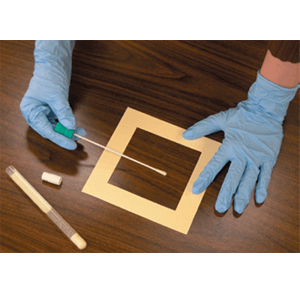
Area of approximately 24 -30 sq. cm shall be used for sampling. Autoclave the template before sampling. Use sanitized SS template for sampling. After each sampling sanitize the template with…
Read more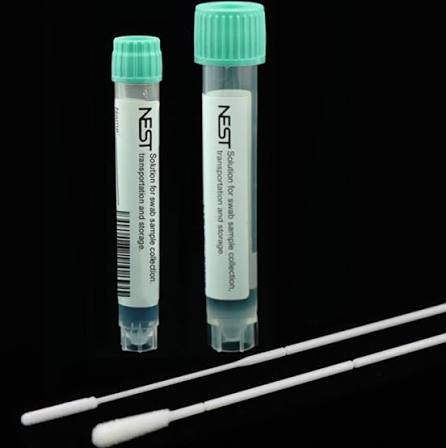
Saline is commonly used for swabs in microbiology and clinical applications because itprovides an isotonic environment that preserves cell integrity M𝗮𝗶𝗻𝘁𝗮𝗶𝗻𝘀 𝗠𝗼𝗶𝘀𝘁𝘂𝗿𝗲Saline keeps the swab moist, preventing the sample from…
Read more
The first person to use a Petri dish was German bacteriologist Julius Richard Petri in 1877. Petri dishes are incubated in an inverted position to prevent contamination and to ensureproper…
Read more
Fumigation in cleanrooms and controlled environments, the most commonly used solutionsare: H𝘆𝗱𝗿𝗼𝗴𝗲𝗻 𝗣𝗲𝗿𝗼𝘅𝗶𝗱𝗲 𝗩𝗮𝗽𝗼𝗿 (𝗛𝗣𝗩)Widely used due to its effectiveness in sterilizing surfaces and air. F𝗼𝗿𝗺𝗮𝗹𝗱𝗲𝗵𝘆𝗱𝗲An older method, but still…
Read more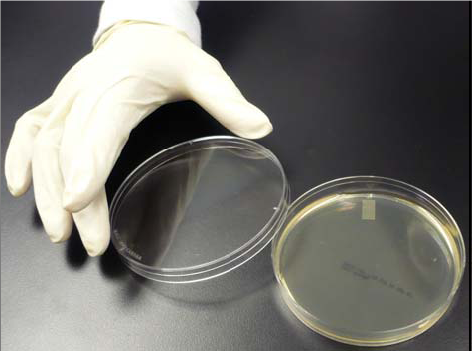
After fumigation in a cleanroom or controlled environment, exposing EnvironmentalMonitoring (EM) plates is not typically done immediately. P𝗼𝘀𝘁-𝗙𝘂𝗺𝗶𝗴𝗮𝘁𝗶𝗼𝗻 𝗪𝗮𝗶𝘁𝗶𝗻𝗴 𝗣𝗲𝗿𝗶𝗼𝗱After fumigation, there is usually a waiting period to allow the…
Read more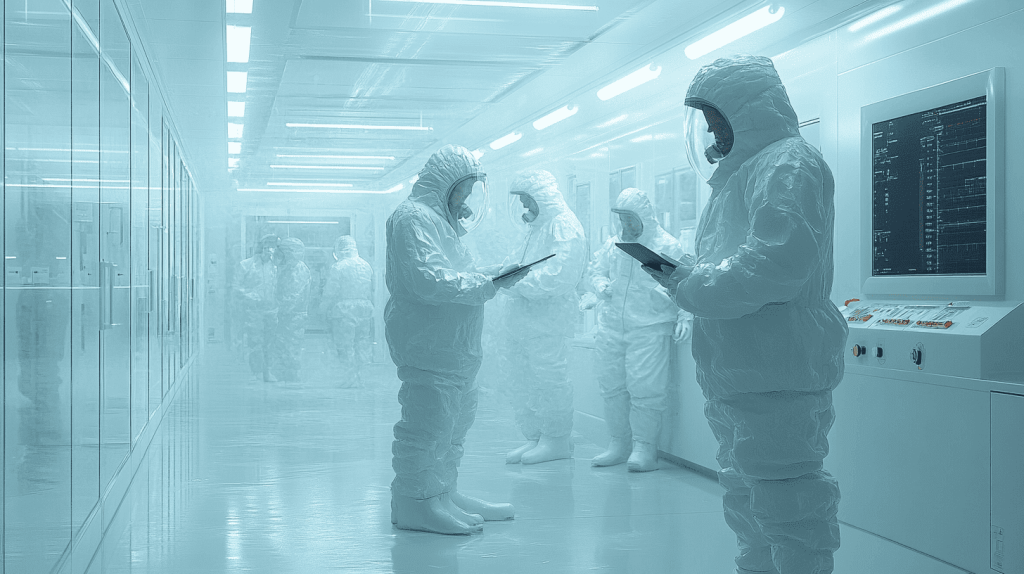
Fumigation is a decontamination method that uses gas or vapor to kill microorganisms andprevent microbial growth. In a microbiology lab, fumigation is used to decontaminate all areas.Fumigation help to maintain…
Read more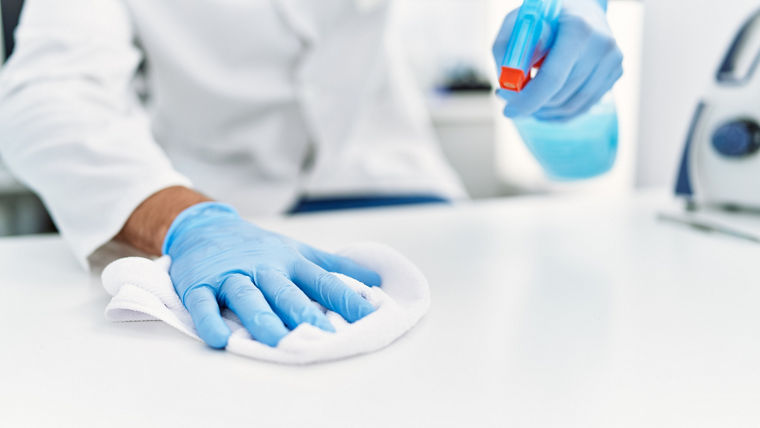
Decontamination in an autoclave refers to the process of using high-temperature steam underpressure to kill or inactivate harmful microorganisms, including bacteria, viruses, fungi, andspores, on equipment, media, or waste. The…
Read more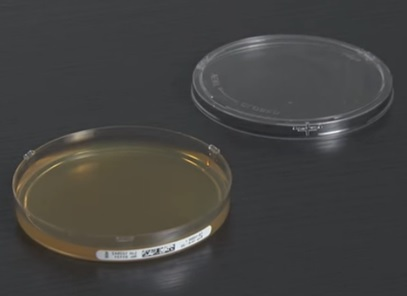
Incubating plates at different temperatures, such as starting at 20 to 25 degrees Celsius andthen increasing to 30 to 35 degrees Celsius. As optimum incubation conditions for yeasts & molds…
Read more