Sodium thiosulfate is used to dechlorinate water samples before microbiological testing to ensure the results accurately reflect the water quality at the time of collection.
It neutralizes any residual chlorine in the sample and prevents the chlorine from killing bacteria while the sample is being transported to the lab.
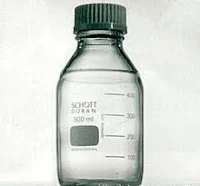
Sodium thio sulphate is added to the bottle before it is sterilized.
That residual chlorine which can interface with the microbial analysis of water.
These ions highly active and penetrate through the cell wall via lipids and destroy the
enzymes in the cell.
This ions may be change (inhibit ) the actual results.
Sodium thio sulfate (STS) or Sodium meta bi sulfate (SMBS) can be used to neutralize or remove residual chlorine ions.
Sodium thiosulfate is usually added to the sample bottle as a white crystal, a drop of liquid, or
a powder spot.
The recommended amount varies, but 0.1 ml of a 2–5% solution of sodium thiosulfate can neutralize the chlorine in about 170 ml of water. Once added, the thiosulfate should not be removed or rinsed out.
It simply reacts and forms sodium hydrogen sulfate or sodium bisulfate which is an inactive salt.
Na2S2O3 + 4Hocl + H2o = 2NaHSo4 + 4 Hcl
For a sampling of Treated Raw water (May contain chlorine), add 0.1 ml of 5% sodium thiosulphate solution in the bottles before sterilization.
This neutralization of residual chlorine will help to determine the actual microbial load in water sample and it will not effect microbial recovery.