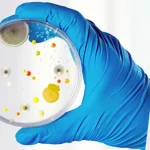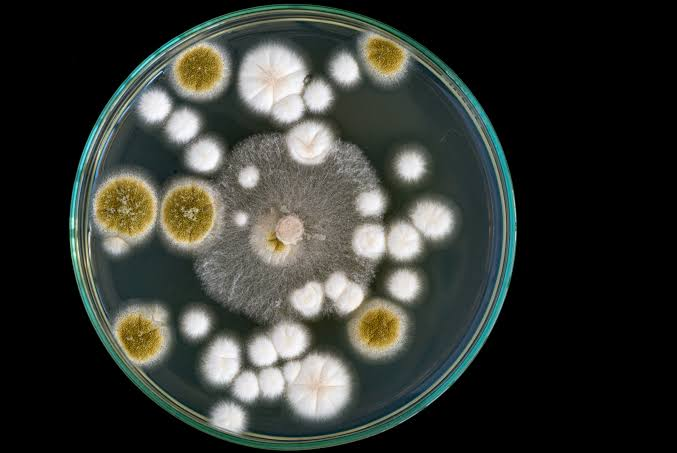
Record the observation, including the number of colonies, their morphology, and the specific
location where the sampling was conducted.
Ensure all relevant data such as date, time, and batch number are documented.
Identify the Microorganisms
Perform microbiological identification of the colonies to determine the type of
microorganisms present.
This could involve techniques like Gram staining, biochemical tests, or molecular methods
like PCR.
After gram staining send for vitek
The VITEK system provides a confidence level or probability for the identified
microorganism. Ensure that the identification is accurate and that the confidence level is
acceptable (usually above 90%)
Assess the Impact
Evaluate the potential impact of the contamination on the product and process. Consider
whether the identified microorganisms are pathogenic or spoilage organisms and assess whether the level of contamination exceeds acceptable limits.
Root Cause Analysis
Conduct a thorough investigation to determine the source of the contamination. This could
involve reviewing the compressed air system, examining filters, checking for leaks, and
assessing the cleanliness of the environment where the air is used.
Corrective and Preventive Actions (CAPA)
Implement corrective actions to eliminate the contamination source. This could include
repairing or replacing filters, improving the maintenance of the compressed air system, or
enhancing environmental controls.
Develop preventive actions to avoid recurrence. This might involve revising standard
operating procedures (SOPs), increasing the frequency of air quality monitoring, or
enhancing staff training on proper maintenance and handling procedures.
Re- Sampling and Validation
After corrective actions are implemented, re-sample the compressed air to confirm that the
contamination has been resolved. Depending on the results, further validation of the
compressed air system may be necessary.
Review and Report
Document all findings, actions taken, and results. Report the incident and actions to the
quality assurance team and, if required, to regulatory authorities.