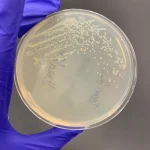
The Microbial Limit Test in Pharmaceuticals is an important microbiological quality control test used to evaluate the microbial quality of nonsterile pharmaceutical products. It helps determine the number of viable microorganisms present in a product and assess whether specified microorganisms are absent or within permitted limits, as required by the applicable specification.
The test is important for raw materials, excipients, oral preparations, topical products, and other nonsterile formulations. It supports product safety, manufacturing hygiene, and compliance with pharmacopoeial requirements. USP General Chapter <61> describes microbial enumeration tests, and General Chapter <62> describes tests for specified microorganisms.
This article explains the principle, types, procedure, culture media, method suitability, acceptance criteria, and documentation requirements for the Microbial Limit Test in Pharmaceuticals.
What Is the Microbial Limit Test in Pharmaceuticals?
A Microbial Limit Test is a microbiological examination performed to assess the microbial quality of nonsterile pharmaceutical products. It generally includes two main components:
- Microbial enumeration tests: determine the number of viable microorganisms recoverable under the specified test conditions.
- Tests for specified microorganisms: determine whether particular microorganisms are present or absent, or whether their occurrence meets the applicable requirements.
The Microbial Limit Test in Pharmaceuticals does not establish sterility. Instead, it evaluates whether a nonsterile product meets its applicable microbiological quality requirements.
Why Is the Microbial Limit Test in Pharmaceuticals Important?
1. Ensures Microbiological Quality
The Microbial Limit Test in Pharmaceuticals helps determine whether microbial contamination remains within the limits established for the product.
2. Supports Patient Safety
Certain microorganisms may pose a risk depending on the product’s composition, route of administration, intended use, and patient population.
3. Evaluates Manufacturing Hygiene
Microbial results can help identify potential contamination associated with raw materials, equipment, water, personnel, or manufacturing practices.
4. Supports GMP Compliance
Appropriate microbiological specifications, testing procedures, and contamination-control measures form part of pharmaceutical quality systems.
5. Helps Assess Product Quality During Stability
Microbiological testing may be required at specified stages of a product’s lifecycle to assess whether its microbial quality remains acceptable.
Types of Microbial Limit Tests
Microbial limit testing is commonly divided into microbial enumeration and tests for specified microorganisms.
1. Total Aerobic Microbial Count (TAMC) https://pharmavk.com/tamc-vs-tymc-pharmaceutical-microbiology/
TAMC estimates the number of viable aerobic microorganisms recoverable under the prescribed test conditions. It may include bacteria and other microorganisms capable of growing under the selected conditions, and it is used to assess the overall level of recoverable aerobic microbial contamination in a sample.
2. Total Yeast and Mold Count (TYMC)
TYMC estimates the number of viable yeasts and molds recoverable under the prescribed test conditions. This test matters because fungal contamination can affect product quality, stability, and safety.
3. Tests for Specified Microorganisms
These tests determine whether selected microorganisms meet the applicable acceptance criteria. Depending on the product and its intended use, relevant examples include:
- Escherichia coli
- Staphylococcus aureus
- Pseudomonas aeruginosa
- Salmonella species
- Candida albicans
- Burkholderia cepacia complex, for relevant products
The required organisms are not identical for every product. The applicable pharmacopoeial chapter, product monograph, route of administration, and approved specification determine which tests are necessary.
Principle of the Microbial Limit Test in Pharmaceuticals
The principle is based on recovering viable microorganisms from a prepared pharmaceutical sample under controlled conditions.
For microbial enumeration, the sample is processed using a suitable method and inoculated onto or into appropriate culture media. After incubation under the specified conditions, microbial growth is evaluated and the count is calculated. For tests for specified microorganisms, the procedure may involve enrichment, selective isolation, and appropriate identification or confirmation steps. The results are then compared with the applicable microbiological acceptance criteria.
Important: The method must be suitable for the product. If the product contains preservatives or other antimicrobial substances, their inhibitory activity may need to be neutralized or removed to allow reliable microbial recovery.
Culture Media Used in the Microbial Limit Test in Pharmaceuticals
https://pharmavk.com/culture-media-selection-for-pharmaceutical-testing/
Different culture media are selected according to the purpose of the test and the microorganisms being examined.
| Culture medium | General application |
|---|---|
| Soybean-Casein Digest Agar (SCDA) | Enumeration and recovery of aerobic microorganisms |
| Soybean-Casein Digest Broth (SCDM) | Recovery and enrichment of microorganisms where appropriate |
| Sabouraud Dextrose Agar (SDA) | Recovery and enumeration of yeasts and molds |
| MacConkey Agar | Selective isolation and differentiation of certain Gram-negative bacteria |
| Mannitol Salt Agar | Selective and differential isolation of certain staphylococci |
| Cetrimide Agar | Selective isolation of Pseudomonas aeruginosa in appropriate methods |
The media required for specified microorganism testing depend on the applicable pharmacopoeial method. The table provides examples rather than a complete testing scheme.
Enumeration Methods Used in the Microbial Limit Test in Pharmaceuticals
The method selected depends on the sample’s characteristics, the microbial population, and the suitability of the procedure.
1. Plate Count Method https://pharmavk.com/mlt-pour-plate-method/
The sample is inoculated onto or into suitable agar medium. Two commonly used approaches are:
- Pour plate method: a measured quantity of the prepared sample is combined with suitable molten agar according to the approved procedure.
- Spread plate method: a measured quantity of the prepared sample is distributed over the surface of solidified agar.
After incubation, colonies are counted and the microbial concentration is calculated according to the applicable method.
2. Membrane Filtration Method
Membrane filtration is useful for suitable products that can be filtered without compromising microbial recovery. The sample is passed through a membrane that retains microorganisms, and the membrane is then processed using the specified rinsing and recovery procedure. It may be particularly useful when the product contains antimicrobial substances that can be removed through filtration and rinsing.
3. Most Probable Number (MPN) Method
The Most Probable Number method is a statistical approach that estimates microbial concentration from patterns of growth in replicate portions of a sample. It may be appropriate for certain products or circumstances when other enumeration methods are unsuitable, subject to the applicable pharmacopoeial requirements. It should not be selected solely for convenience; its suitability and applicability must be established.
Microbial Limit Test in Pharmaceuticals: 8-Step Procedure
The detailed procedure must follow the current applicable pharmacopoeial chapter and the laboratory’s approved SOP. The following steps give a general overview.
Step 1: Sample Collection and Identification
Collect a representative sample according to the approved sampling plan, and record:
- Product name
- Batch or lot number
- Sample identification number
- Sampling date
- Sample quantity
- Storage and transport conditions, where relevant
Sampling practices should prevent contamination and preserve sample integrity.
Step 2: Sample Preparation
Prepare the sample using a suitable diluent and preparation method. Depending on the product, this may require dispersion, dissolution, homogenization, or dilution. The method should allow microorganisms to be recovered without introducing additional inhibitory effects.
Step 3: Method Suitability Assessment
Before relying on the results, demonstrate that the method can recover appropriate microorganisms in the presence of the product. If antimicrobial activity interferes with recovery, suitable neutralization, dilution, membrane filtration, or another justified approach may be necessary.
Step 4: Microbial Enumeration
Perform the applicable enumeration method using suitable culture media and specified conditions. The method must be appropriate for the expected microbial population and the product being tested.
Step 5: Incubation
Incubate the inoculated media under the temperature, duration, and other conditions specified in the applicable method. Different media and microorganisms may require different incubation conditions, so one universal condition should not be applied to every test.
Step 6: Colony Counting and Calculation
After incubation, examine the media and count colonies according to the approved procedure. Results are expressed in appropriate units, such as colony-forming units per gram (CFU/g) or per millilitre (CFU/mL).
Step 7: Tests for Specified Microorganisms
Where required, perform the relevant enrichment, selective isolation, and confirmation procedures, and interpret the findings against the specified acceptance criteria.
Step 8: Result Review and Documentation
Review the raw data, calculations, controls, observations, and any unexpected results. Compare the final results with the applicable specification and document the outcome according to the laboratory’s quality system.
Growth Promotion Testing and Method Suitability
Two important quality control concepts in the Microbial Limit Test in Pharmaceuticals are growth promotion testing and method suitability testing.
Growth Promotion Testing (GPT)
Growth promotion testing demonstrates that the culture medium can support the growth of appropriate test microorganisms, verifying that the medium is suitable for its intended application. Depending on the medium and its use, other quality checks may include sterility, appearance, pH, and selective or differential characteristics.
Method Suitability Testing
Method suitability demonstrates that the product and the selected procedure do not prevent adequate microbial recovery. It is especially important for products containing preservatives, antimicrobial active ingredients, or other inhibitory components. A suitable procedure should show adequate recovery under the applicable acceptance criteria and that any neutralizer used does not adversely affect the test organisms.
GPT and method suitability are different: GPT assesses the performance of the medium, while method suitability assesses the performance of the test procedure in the presence of the product.
Microbial Limit Test Acceptance Criteria
Acceptance criteria are established according to the applicable pharmacopoeial requirements, product monograph, approved specification, and intended use. They may include requirements for:
- Total aerobic microbial count
- Total yeast and mold count
- Absence or permitted occurrence of specified microorganisms
- Other product-specific microbiological attributes, where applicable
There is no single universal acceptance limit for every pharmaceutical product. FDA’s Q4B Annex 4C(R1) covers acceptance criteria for pharmaceutical preparations and substances for pharmaceutical use, and FDA’s draft guidance on microbiological quality considerations in non-sterile drug manufacturing discusses broader contamination-control expectations.
Understanding TAMC and TYMC Limits in the Microbial Limit Test in Pharmaceuticals
TAMC and TYMC limits are commonly expressed as CFU/g or CFU/mL, and the specified limit depends on the product category and its intended use. Pharmacopoeial interpretation rules may also affect how a numerical result is assessed against a stated limit. Laboratories must therefore consult the current applicable pharmacopoeia and approved product specification rather than applying one limit to all products.
Specified Microorganism Requirements
The required microorganisms depend on the product and its potential risk to patients. For example, requirements for an oral preparation may differ from those for a topical product or one intended for a particular anatomical site. Absence or permitted occurrence should be interpreted according to the relevant test method and specification.
Factors That Can Affect Microbial Limit Test in Pharmaceuticals Results
1. Inadequate Sample Preparation
Poor dispersion or improper dilution can affect microbial recovery and the representativeness of the test portion.
2. Antimicrobial Interference
Preservatives or active ingredients may inhibit microbial growth, leading to falsely low recovery if the method is unsuitable.
3. Unsuitable Culture Media
Incorrect media selection, poor media performance, or inadequate quality control can compromise microbial recovery.
4. Incorrect Incubation Conditions
Unsuitable incubation conditions may prevent the recovery of microorganisms expected under the specified method.
5. Contamination During Testing
Poor aseptic technique or unsuitable handling may introduce extraneous microorganisms and affect the results.
6. Calculation and Recording Errors
Incorrect dilution factors, transcription errors, or misinterpretation of colony counts can lead to inaccurate reporting.
7. Sampling Errors
A nonrepresentative sample may not reflect the microbiological quality of the batch or material.
Common Errors During the Microbial Limit Test in Pharmaceuticals
| Common error | Potential impact | General preventive measure |
|---|---|---|
| Incorrect dilution | Inaccurate microbial count | Verify preparation and calculations |
| Unsuitable medium | Poor microbial recovery | Follow the approved method and media specifications |
| Inadequate neutralization | Falsely low recovery | Demonstrate method suitability |
| Incorrect incubation conditions | Inconsistent or poor growth | Follow the specified incubation requirements |
| Poor aseptic handling | Extraneous contamination | Apply approved aseptic practices |
| Incorrect colony counting | Inaccurate result | Follow the established counting procedure |
| Incomplete documentation | Reduced traceability | Record results and observations contemporaneously |
Unexpected or out-of-specification results should be investigated under the approved laboratory procedure rather than dismissed as routine testing errors.
Microbial Limit Test in Pharmaceuticals vs Bioburden and Sterility Testing
These tests have different purposes and should not be used interchangeably.
| Parameter | Microbial Limit Test | Bioburden Testing | Sterility Testing |
|---|---|---|---|
| Main purpose | Assess microbiological quality of nonsterile products | Estimate viable microbial contamination in a material, product, or process | Assess whether a product meets applicable sterility requirements |
| Typical application | Nonsterile pharmaceutical products | Materials, manufacturing processes, and products, including pre-sterilization stages | Products required to be sterile |
| Main result | Enumeration and/or specified microorganism findings | Estimate of recoverable viable microorganisms | Growth/no-growth outcome under prescribed conditions |
| Interpretation | Against applicable microbial limits | Against process or product-specific criteria | According to applicable sterility test requirements |
A sterility test is not simply an MLT with a stricter numerical limit. The tests have different objectives and procedures.
Documentation Requirements for the Microbial Limit Test in Pharmaceuticals
Accurate documentation is essential for traceability and reliable interpretation. Records should include, as applicable:
- Product and batch details
- Sample identification and sampling information
- Approved method or SOP reference
- Culture media identification and lot numbers
- Media quality control results
- Sample preparation and dilution details
- Incubation conditions
- Raw colony counts and calculations
- Specified microorganism test results
- Method suitability records
- Deviations or unexpected observations
- Final result and authorized review
Documentation should follow applicable Good Documentation Practices (GDP) and data integrity requirements.
Frequently Asked Questions
What is the purpose of the Microbial Limit Test in Pharmaceuticals?
MLT evaluates the microbial quality of nonsterile pharmaceutical products by determining recoverable microbial counts and, where required, testing for specified microorganisms.
What is the difference between TAMC and TYMC?
TAMC estimates recoverable aerobic microbial counts, while TYMC estimates recoverable yeast and mold counts under the specified test conditions.
Which pharmacopoeial chapters cover the Microbial Limit Test in Pharmaceuticals?
USP General Chapter <61> covers microbial enumeration tests, while USP General Chapter <62> covers tests for specified microorganisms. Applicable national pharmacopoeial requirements should also be considered.
Is the Microbial Limit Test in Pharmaceuticals required for every product?
Testing requirements depend on the product, its intended use, applicable regulations, approved specifications, and scientifically justified quality controls. The requirement should be established for the specific product rather than assumed to be identical for all products.
Why is method suitability important in MLT?
It demonstrates that the selected procedure can recover appropriate microorganisms in the presence of the product, including when the product contains inhibitory substances.
Can the Microbial Limit Test in Pharmaceuticals prove sterility?
No. MLT assesses microbiological quality against applicable limits. It does not establish that a product is sterile.
What units are used to report microbial counts?
Microbial counts are commonly reported as CFU/g for solid samples or CFU/mL for liquid samples, as appropriate to the method and sample.
What should be done if an MLT result exceeds the specification?
The result should be reported and investigated according to the approved laboratory procedure. The investigation should assess the validity of the result, possible laboratory or sampling issues, and relevant manufacturing and quality factors.
Conclusion
The Microbial Limit Test in Pharmaceuticals is an essential component of microbiological quality control for nonsterile products. It includes microbial enumeration through TAMC and TYMC testing and the examination of specified microorganisms when required by the applicable specification. Reliable results depend on representative sampling, suitable sample preparation, appropriate culture media, method suitability, controlled incubation, accurate calculations, and complete documentation. Laboratories should follow the current applicable pharmacopoeial methods and approved product specifications when performing and interpreting MLT. A well-controlled microbial testing programme supports product quality, GMP compliance, and patient safety.
References
- USP General Chapter <61>: Microbiological Examination of Nonsterile Products: Microbial Enumeration Tests
- USP General Chapter <62>: Microbiological Examination of Nonsterile Products: Tests for Specified Microorganisms
- FDA Draft Guidance: Microbiological Quality Considerations in Non-Sterile Drug Manufacturing (September 2021)
- FDA Q4B Annex 4C(R1): Microbiological Examination of Non-Sterile Products: Acceptance Criteria for Pharmaceutical Preparations and Substances for Pharmaceutical Use