The SAS Super Pinocchio II is a microbial impaction sampler used to test the microbial
quality of compressed air and nitrogen gas in cleanroom environments.
P𝗿𝗼𝗰𝗲𝗱𝘂𝗿𝗲 𝗳𝗼𝗿 𝗨𝘀𝗶𝗻𝗴 𝗦𝗔𝗦 𝗦𝘂𝗽𝗲𝗿 𝗣𝗶𝗻𝗼𝗰𝗰𝗵𝗶𝗼 𝗜𝗜
Preparation
Sterilize Equipment
Autoclave the funnel head and any other parts that will come into direct contact with the
samples to ensure sterility.
Setup
Assemble the unit by attaching the funnel head and connecting the pressure gauge, airflow
meter, and tap as per the manufacturer’s instructions.
Ensure that the contact plate or 90 mm petri dish is securely placed in the plate housing within the funnel head.
Selection of Sampling Site
Identify the location in the cleanroom where the compressed air or nitrogen gas sample will
be collected.
Ensure the area is clean, and minimize any disturbance that could lead to contamination.
Connect the Compressed Air Source
Attach the compressed air or gas line to the input connection of the SAS Super Pinocchio II
unit.
Regulate the Flow
Use the built-in flow meter to adjust the air or gas flow rate. Set it to the required flow rate,
typically 100 L/min, as specified in your standard operating procedure (SOP).
Sampling process
Sampling
Open the tap to allow the compressed air or gas to flow through the unit.
The air or gas will pass through the funnel head and impact the agar surface on the contact
plate or petri dish, depositing any microorganisms present in the sample.
Monitor the process
Continuously observe the pressure gauge and airflow meter to ensure that the flow rate
remains constant throughout the sampling process.
Sampling for 1 minute at 100 L/min will collect 100 liters of air
10 minutes for 1000 litres of air will collect.
Complete the Sampling
After the required sample volume has been collected, close the tap to stop the flow.
Carefully remove the contact plate or petri dish from the plate housing without disturbing the
agar surface
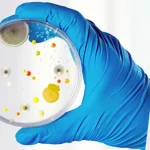
Transport the sample to the microbiology laboratory for incubation.
Incubate the sampled plates under appropriate conditions like first 20-25°C for 72 hours (03
days) and tranfer plates 30-35°C for 48 hours (02 days)
After incubation, count the number of colony-forming units (CFUs) on each plate.
Record all relevant data including sampling conditions, flow rate, pressure, sampling time,
and microbial counts in your logbook or electronic record system.