Explain deviation.

In the pharmaceutical industry, a deviation is a difference between an observed value and an expected value for a product or process condition. Deviations can also be a departure from…
Read more
Agricultural microbiology is a branch of science that studies different microorganisms that are associated with plants, soil fertility, and even animal diseases.
In the pharmaceutical industry, a deviation is a difference between an observed value and an expected value for a product or process condition. Deviations can also be a departure from…
Read more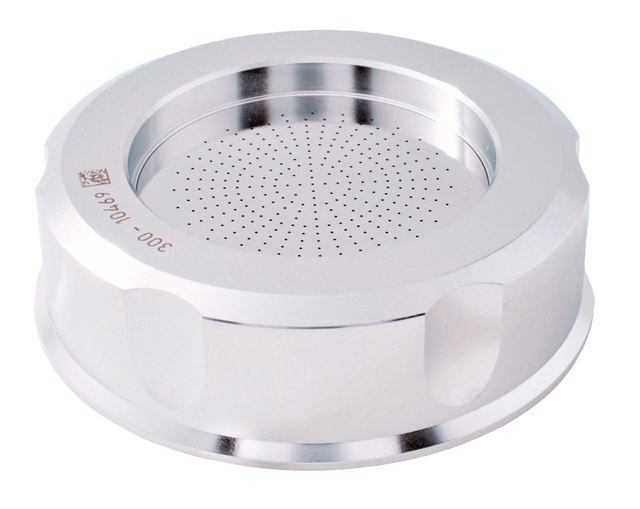
The Feller correction is a mathematical adjustment applied to microbial air sampling to correct for the “overlap” of particles on the sampling plate. When using a microbial air sampler, there…
Read more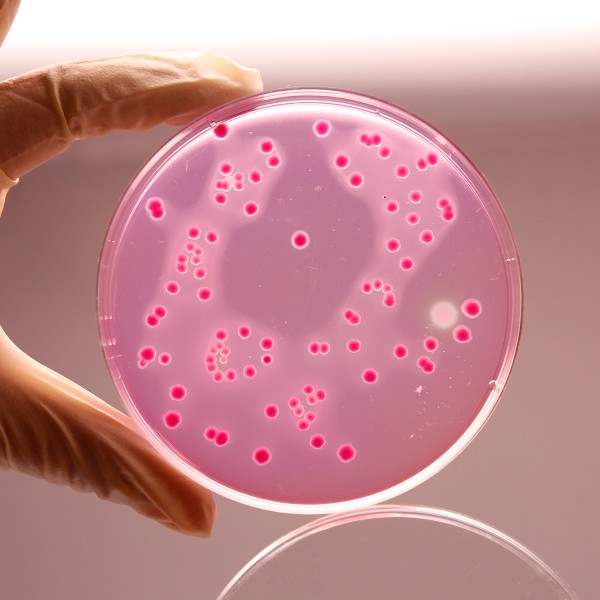
BTGN (Bile-Tolerant Gram-Negative bacteria) refers to a group of Gram-negative bacteria that can grow in the presence of bile salts. It is mainly used as an indicator of hygiene and…
Read more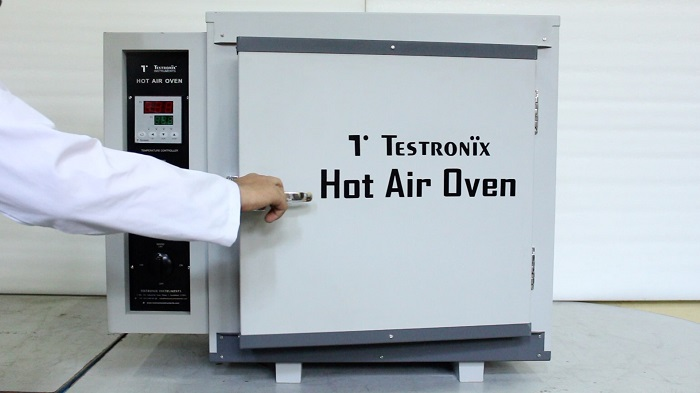
A hot air oven is a laboratory device commonly used for drying, sterilizing, and removing moisture from materials through heated, circulating air. It is widely used in microbiology, pharmaceuticals, and…
Read more
Petri plates commonly used in microbiology labs are usually 90 mm in diameter, which is why they are often referred to as 90 mm plates. However, smaller sizes, like 55…
Read more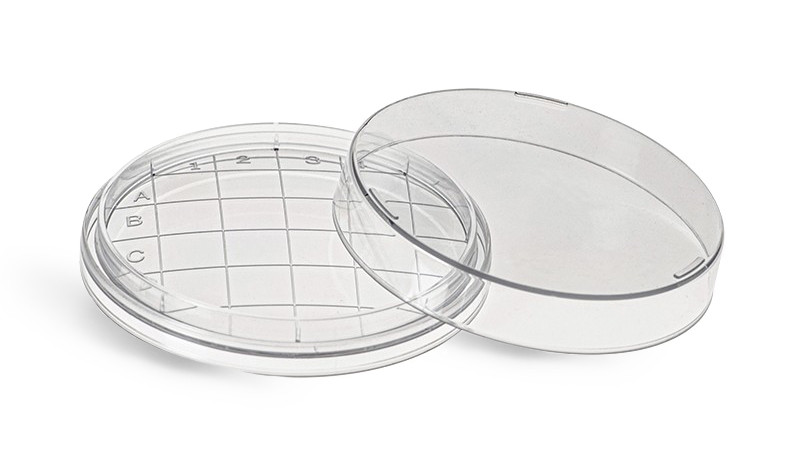
RODAC – Replicate Organism Detection and Counting, is a technique used in microbiology for environmental monitoring, especially on flat surfaces. These contact plates used for the surface monitoring of microorganisms…
Read more
Temperature and humidity are just two factors that need to be upheld to avoid scrutiny, contamination, comfort for personnel, and maintain a positive safety culture. In the U.S the Food…
Read more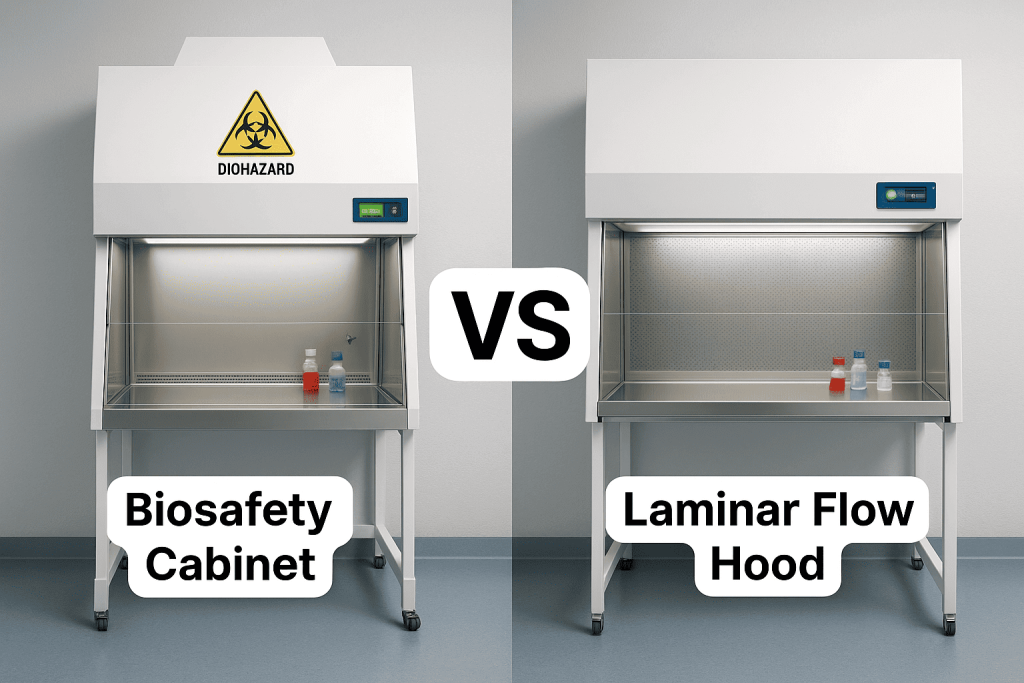
Feature Laminar Air Flow (LAF) Biosafety Cabinet (BSC) Purpose Protects the product/sample from contamination. Protects the product, operator, and environment. Airflow Unidirectional HEPA-filtered airflow toward the work area. HEPA-filtered airflow…
Read more