
Microbiology
Agricultural microbiology is a branch of science that studies different microorganisms that are associated with plants, soil fertility, and even animal diseases.
- The microorganisms associated with plants include organisms of different groups like bacteria, fungi, actinomycetes, and protozoa.
- Agricultural microbiology has been extensively studied for the decade as it helps to understand the importance of relevant microbial strains to agricultural applications to minimize agricultural loss, increase soil fertility, and harvest.
- There is a symbiotic relationship between plants and the associated microorganisms where both benefit from each other.
- Besides, different topics within agricultural microbiology help in the diagnosis and prevention of plant diseases that might result from plant pathogens.
- Agricultural microbiology helps in the understanding of the specific plant requirements that include soil texture, soil nutrients, water content, and associated microorganisms.
- Based on the studies made in agricultural microbiology, different microorganisms can be used for different purposes, all ultimately leading to minimizing loss of plant and plant products and increasing fertility and harvest.
- These studies also help reduce production costs and explore areas for the production of plants in laboratories via techniques like plant tissue culture.
- The dominant group of microorganisms found in the soil and plants is bacteria. These bacteria are present in a symbiotic relationship with the plants to help in processes like nitrogen fixation and mineral supply.
- Bacteria are followed by actinomycetes, as the second most dominant group. Actinomycetes are also studied in agricultural microbiology as they produce different groups of antibiotics and also help in increasing the fertility of the soil.
- Well-aerated, cultivated, or acidic soils are mostly colonized by fungi which in association with plants help in increasing the harvest by providing necessary minerals and vitamins.
- Agricultural microbiology allows for the exploration of new and advanced techniques that can be used in agricultural practices to make the practices safer and reliable.
Why is HVAC Important in Pharmaceutical Manufacturing?

In pharmaceutical manufacturing, maintaining a clean and controlled environment is essential to ensure product quality, regulatory compliance, and patient safety. But how do pharmaceutical facilities control temperature, humidity, air quality,…
Read moreWhy is CAPA (Corrective and Preventive Action) Important in the Pharmaceutical Industry?

In the pharmaceutical industry, maintaining product quality and regulatory compliance is essential. Despite having well-established procedures and controls, issues such as deviations, Out-of-Specification (OOS) results, customer complaints, audit observations, and…
Read moreWhy is Root Cause Analysis (RCA) Important?

In pharmaceutical manufacturing, problems such as deviations, out-of-specification (OOS) results, equipment failures, customer complaints, and environmental monitoring excursions can occur despite having well-established procedures. But is correcting the problem enough?…
Read moreWhy is Computer System Validation (CSV) Important in the Pharmaceutical Industry?

In today’s pharmaceutical industry, many critical activities are performed using computerized systems. From laboratory instruments and manufacturing equipment to quality management systems and electronic records, computer systems play a vital…
Read moreWhy is Water Testing Important in Pharmaceutical Industries?

Water is one of the most widely used raw materials in the pharmaceutical industry. It is used in manufacturing processes, cleaning activities, laboratory testing, and the preparation of pharmaceutical products.…
Read moreWhy is Growth Promotion Testing (GPT) Performed?
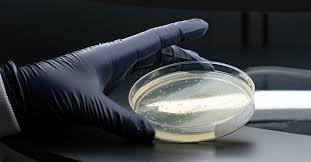
Growth Promotion Testing (GPT) is performed to validate that a batch of microbiological culture media can successfully support the growth of target microorganisms. It is a critical quality control step…
Read more
How long should you flush the water before sampling?
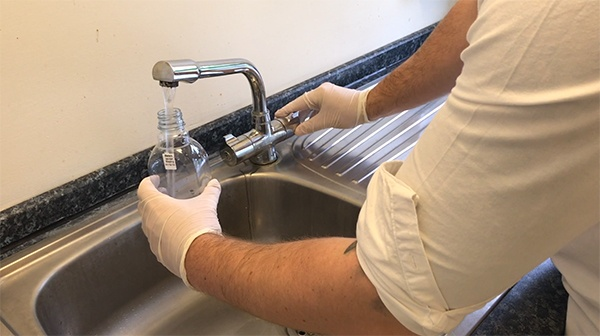
Flushing is necessary before water sampling.
Read more