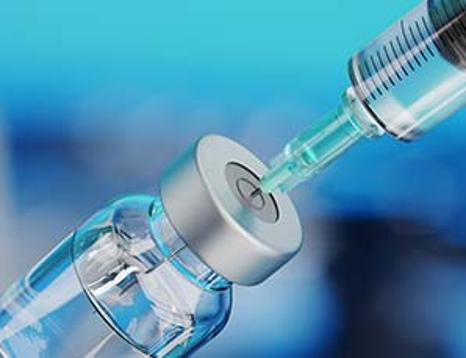
Water for Injection (WFI) is the highest quality pharmaceutical bulk water, serving as a critical raw material for parenteral (injectable) drugs, vaccines, and intravenous (IV) solutions.
It is fundamentally important in pharmaceutical manufacturing due to its uncompromising safety and purity parameters.
It’s characterized by its absence of pyrogens, endotoxins, and microbial contamination, making it well suited for injection into the human body (when mixed with appropriate additives) or for use in pharmaceuticals that require high sterility.
Common characteristics of water for injection
- Highly purified: contains minimal amounts of organic and inorganic substances.
- Meets stringent specifications: for example, according to the European Pharmacopeia (EP), United States Pharmacopeia (USP), or Japanese Pharmacopeia (JP) standards for WFI.
- Sterile and pyrogen-free: doesn’t have significant microbial life or fever-causing substances according to the relevant pharmacopeial limits.
Types of water for injection
Water for injection is generally classified based on its method of production and use:
- Sterile water for injection (SWFI): is highly purified water that has been sterilized to remove viable microorganisms to a specified level according to the relevant pharmacopeia.
- Bulk water for injection: Bulk water for injection refers to nonsterile, large-volume water that meets stringent purity standards for use in pharmaceutical manufacturing.
- Bacteriostatic water for injection (BWFI): for injection is a sterile water preparation that includes a preservative—most commonly, 0.9% benzyl alcohol—to inhibit bacterial growth during multiple uses.
Where is WFI Used?
- Injectable medicines
- Vaccines
- Intravenous (IV) fluids
- Ophthalmic preparations
- Biopharmaceutical products
- Cleaning of equipment used for sterile manufacturing
- In dialysis and irrigation
How water for injection (WFI) is produced
Water for Injection (WFI) is produced by purifying feedwater through rigorous multi-stage systems, most commonly using distillation (the only method approved by the European Pharmacopeia) or highly controlled membrane-based procedures (like Reverse Osmosis paired with Ultrafiltration).
The process eliminates all bacteria, pyrogens, and inorganic contaminants.
Water for injection specifications:
| Parameter | Requirement |
| Appearance | Clear, colourless, and free from visible particles |
| pH | Typically, 5.0 to 7.0 |
| Total organic carbon (TOC) | ≤ 500 ppb (parts per billion) |
| Conductivity | ≤ 1.1 µS/cm at 25°C |
| Microbial limits | Sterile, no microbial growth |
| Endotoxin levels | < 0.25 endotoxin units per mL |
| Heavy metals | Not detectable or within defined limits |