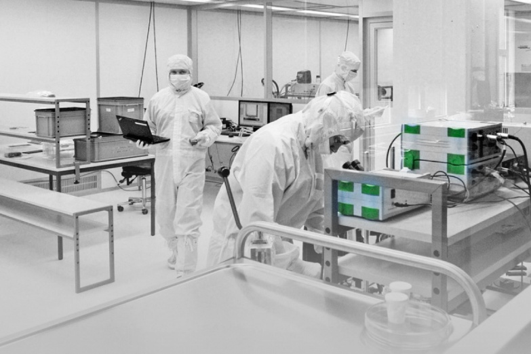
No matter how advanced a facility is, operators continuously shed skin particles, hair, and microorganisms into the environment. In fact, personnel are considered one of the largest sources of contamination in sterile manufacturing.
This is why Personnel Monitoring plays a critical role in protecting product quality and patient safety.
What is Personnel Monitoring?
Personnel monitoring in the pharmaceutical industry is a critical, mandated quality control process used to detect microbial contamination on operators’ gowns and gloves, particularly in sterile manufacturing.
Key Monitoring Methods
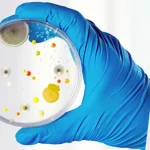
- Finger Dab Method: Operators press their gloved fingertips onto agar plates to test for glove sterility and proper sanitization.
- Contact Plates: Plates with a raised agar surface are gently pressed against critical areas of the protective gown (e.g., chest, forearms) and exposed skin (e.g., forehead) to transfer and capture surface microbes.
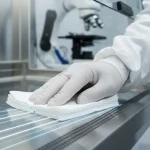
- Surface Swab Method: Sterile swabs are used on hard-to-reach or irregular areas of the gown to collect potential contaminants.
The samples are incubated and evaluated for microbial growth.
The results help determine whether personnel are maintaining acceptable microbiological standards.
What Happens When an Operator Fails Monitoring?
A microbial excursion on a glove or gown is not just a failure; it is a critical trigger for corrective action. A robust standard operating procedure (SOP) handles this through a strict, non-punitive quality framework:
- Retraining & Re-qualification
- Immediate Disqualification
- Impact Assessment
- Root Cause Investigation
Personnel Monitoring helps pharmaceutical companies verify that operators are working safely, following procedures correctly, and maintaining the sterile conditions required to produce life-saving medicines.
Because in sterile manufacturing, protecting the product starts with monitoring the people who make it.