Material transfer is the primary vector for contamination in pharmaceutical cleanrooms. Proper transfer procedures and airlocks protect sterile environments from airborne particles, microorganisms, and cross-contamination.
Failing to control these transfers can directly compromise drug sterility, endangering patient safety and leading to regulatory compliance violations.
Material transfer is a critical contamination control function that directly impacts product quality and process reliability.
Methods for Material Transfer in Cleanrooms
- Multiple Cleanroom Bag Method: This method is used during multi-stage transitions, i.e., from the outermost level to the core of the cleanroom.
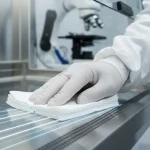
- Disinfection Method: This method involves using a validated disinfectant solution to spray or wipe products and packages being transported into the cleanroom.
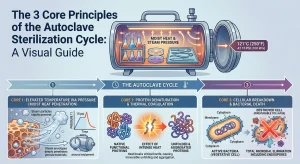
- Direct Sterilization Method: This process uses double-sided pass-through autoclaves. The Direct Sterilization Method is regarded as the most efficient.
Key Considerations for Proper Material Transfer
- Minimizing Particle and Microorganism Generation
- Material Compatibility with Disinfectants and Transfer methods
- Proper Storage Practices for Cleanrooms
- cGMP Labelling and Storage Requirements
- Avoiding Non-Sterile Material Contamination
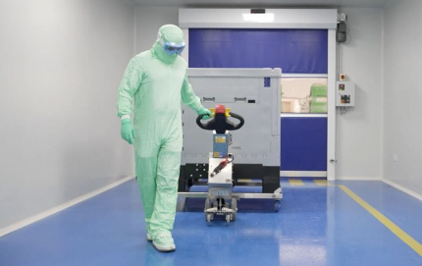
- Disinfecting and Using Carts in Cleanrooms
- Dedicated Cleanroom Carts for Controlled Material Transfer
- Efficient Waste Management
Sites of Material Transfer
- Isolators: The environment inside an isolator provides a sterile space, while also maintaining containment.
- Transfer Chambers: Transfer chambers have a built-in decontamination cycle for the items that are placed inside.
- Transfer Rooms: Material transfer rooms function like chambers, without being installed as a separate container.
- Transfer via Pass-Throughs: Pass boxes, or pass-through hatches, are small structures that enable tools and items to be passed from a “dirtier” to a “cleaner” space without a person having to physically enter the space
Global regulatory authorities, including the FDA, EMA, WHO, and EU GMP Annex 1, expect pharmaceutical manufacturers to establish validated procedures for material transfer.
Inspectors assess whether companies have effective controls to prevent contaminants from entering cleanrooms and to maintain product quality throughout manufacturing. Proper material transfer demonstrates a company’s commitment to contamination control and GMP compliance
Effective transfer protocols are vital for several core reasons:
- Preventing Ingress of Contaminants
- Maintaining Sterility and Quality
- Controlling Airflow and Pressure
- Regulatory Compliance
The movement of materials must be unidirectional and designed to minimize contamination risk. Each transfer activity should be supported by risk assessments, validated processes, and detailed SOPs that define the cleaning, disinfection, and wrapping requirements at every step.