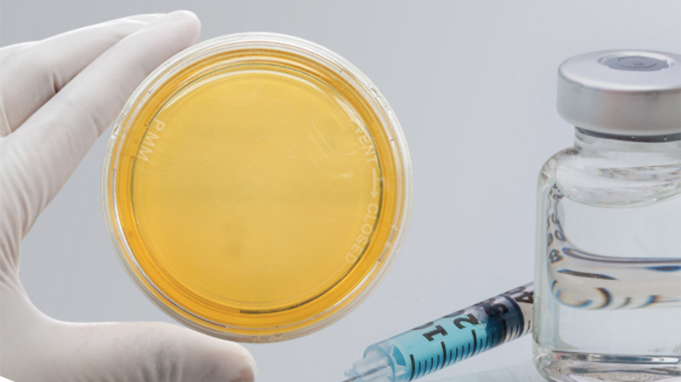
Imagine spending months developing a life-saving injectable product.
The formulation is perfect.
The equipment is qualified.
The operators are well-trained.
Everything appears under control.
But what if the air surrounding the product contains invisible microorganisms?
A contamination event can occur without any visible warning.
The result?
- Batch rejection
- Production delays
- Regulatory observations
- Product recalls
- Potential risk to patient safety
This is exactly why Environmental Monitoring (EM) is one of the most critical contamination control programs in sterile manufacturing.
What is Environmental Monitoring?
Environmental Monitoring is the routine assessment of the manufacturing environment to detect and control microbial and particulate contamination.
It provides evidence that cleanrooms and controlled environments remain suitable for producing sterile products.
Why is Environmental Monitoring So Important?
Environmental monitoring is crucial for product safety, and the well-being of staff and patients. Uncontrolled contaminants, temperature fluctuations, and humidity can compromise the quality and efficacy of life-saving treatments, which can have severe consequences. Additionally, environmental monitoring helps maintain safe working conditions for staff, reducing the risk of accidents and exposure to harmful substances.
Common Environmental Monitoring Activities:
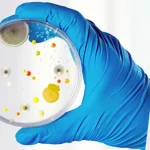
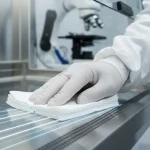
Air Sampling, Settle Plate Monitoring, Surface Monitoring, Personnel Monitoring Non-Viable Particle Monitoring, Temperature and Humidity Monitoring