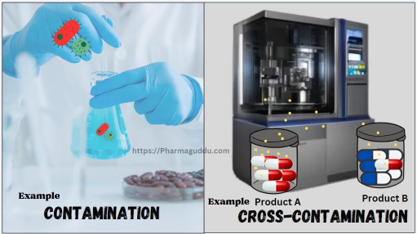
Cross-contamination in pharmaceutical manufacturing is the unintended mixing of active chemicals, microbes, or particulates from one product or process into another.
It is dangerous because it can cause severe adverse drug reactions, trigger unexpected allergic responses, render treatments ineffective, and introduce harmful pathogens into sterile medications.
Common Sources of Cross-Contamination
Cross-contamination can occur through:
- Shared manufacturing equipment
- Poor cleaning and sanitization
- Airborne dust and particles
- Improper material handling
- Operator errors
- Inadequate gowning practices
- Uncontrolled movement of personnel or materials
This is why every step of pharmaceutical manufacturing is carefully controlled.
Contamination is one of the major challenges that pharmaceutical industries face today. Identifying the source of contamination and maintaining high standards of hygiene can help manufacture safe & quality products
Contamination in the pharmaceutical industry can lead to catastrophic consequences: from compromising with patient safety to affecting business sustainability.
Common Types of Pharmaceutical Contamination
The most commonly present contaminants found in pharmaceutical products are:
- Physical Contaminants: These may include chips, particles and fibre materials that may enter the manufacturing or packaging process and contaminate the entire batch.
- Pyrogenic Substances: These are micro-organisms that cause fever. Presence of these contaminants in sterile pharmaceutical products may potentially inject fever into the user’s bloodstream.
- Chemical Contaminants: Moisture, gases, vapour or molecules may also contaminate sterile pharmaceutical products and cause major safety issues.
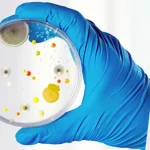
- Biological Components: These include virus, bacteria, or fungus that can cause diseases and must not be found in pharmaceutical products.
Potential Sources of Contamination in Pharmaceutical Products
- Personnel: People who are performing or supervising pharmaceutical manufacturing and packaging processes can be a strong source of contamination.
- Manufacturing Facility: The facility or the building may be another primary source of contamination.
- Materials: The quality, handling and control of raw materials can also cause pharmaceutical contamination.
- Manufacturing Process: There are high chances of contamination throughout the manufacturing process.
How to Prevent Contamination in the Pharmaceutical Industry?
- Manage Personnel Contamination
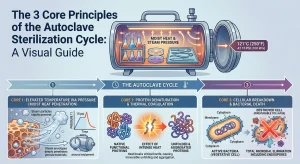
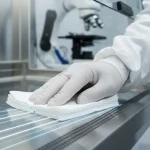
- Disinfection
- Improved Facility Design
- Regulated Water Use
Contamination is always a risk in the pharmaceutical industry. Taking adequate preventive measures can help maintain high standards of quality and comply with statutory regulations.