Imagine injecting a medicine that’s supposed to heal you, but it’s contaminated with deadly bacteria. This isn’t fiction. It’s what happens when aseptic technique fails in sterile manufacturing.
In the world of pharmaceuticals, biotechnology, and healthcare, aseptic technique is the invisible shield protecting patients from infection, manufacturers from recalls, and industries from collapse. Here’s why it’s non-negotiable and why everyone in healthcare should care.
What Is Aseptic Technique?
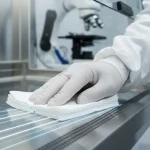
Aseptic technique is a set of specific practices designed to prevent microorganismsfrom contaminating sterile products during manufacturing.
It’s not just “being clean.” It’s a science-driven protocol including:
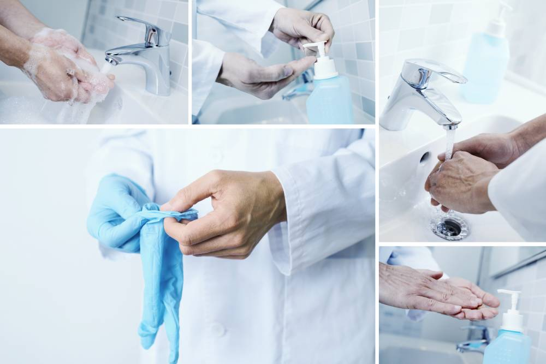
- Hand hygiene
- Use of disinfectants
- Sterile gowns, gloves, and masks
- Controlled environments (like ISO-classified cleanrooms)
- Proper handling of sterile materials
Why Aseptic Technique Is CRITICAL in Sterile
- Patient Safety
Tiny contaminants cause severe infections, life-threatening reactions, or death especially in immunocompromised patients.
* CDC: 2M+ healthcare infections/year in the U.S., 99,000 deaths. Aseptic technique is frontline defence. - Regulatory Compliance
FDA, EMA, PMDA require strict aseptic standards. Failure = no approval, recalls, or legal action. - Product Quality
Prevents contamination from microbes, particles, and chemicals ensuring drugs stay safe through shelf life. - Reputation & Revenue
Contamination triggers massive recalls, trust loss, and financial disaster. One failure can destroy years of brand credibility. - Cost Savings
Prevents batch failures, delays, and liabilities long-term efficiency.
Aseptic Technique is the bedrock of sterile drug manufacturing.
It safeguards patients, ensures compliance, protects quality, and saves money.
Did you know?
Industry investigations have shown that human intervention is one of the leading causes of contamination events in sterile manufacturing. This is why personnel training and aseptic behaviour are continuously monitored and evaluated.
In sterile manufacturing, quality is not built at the end of the process—it is maintained through every action, every movement, and every aseptic practice performed on the production floor.