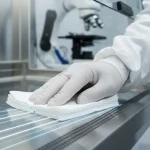
Rapid Microbiological Methods (RMM) replace slow, traditional lab tests with fast, automated technology. They cut test times from weeks down to hours or days.
The shift towards rapid microbial methods represents a pivotal evolution in how pharmaceutical companies approach microbial quality assurance, paving the way for more agile and responsive manufacturing processes.
This shift improves drug safety, speeds up product release, and fits modern manufacturing needs like short-shelf-life cell and gene therapies.
Benefits of Adopting Rapid Microbial Methods
- Accelerated Product Release
- Reduced Risk of Out-of-Specification (OOS) Events
- Enhanced Process Control and Real-Time Monitoring
- Cost Savings
- Improved Supply Chain Agility
- Data-Driven Decision Making
How do rapid microbial methods contribute to cost savings in pharmaceutical manufacturing?
Rapid microbial methods contribute to cost savings by accelerating product release, which reduces inventory holding times and associated warehousing costs.
They also minimize the financial impact of contamination by enabling earlier detection, thereby preventing large batch rejections, costly investigations, and potential product recalls.
In the case of rapid microbiological methods, we can distinguish between qualitative, quantitative, or identification testing as a type of determination.
Qualitative testing allows for the assessment of the presence or absence of live bacteria, quantitative testing allows for the counting of microorganisms in the test sample, while identification tests provide us with an answer related to classification into a specific taxonomic group.
Top Rapid Microbiological Techniques Used in Pharmaceutical industry
- Adenosine Tri-Phosphate (ATP)
- Bioluminescence
- Autofluorescence
- Flow cytometry
- Fatty Acid Profiles
- Fourier Transform Infrared Spectroscopy (FTIR)
By delivering faster and reliable microbiological results, RMM helps manufacturers improve operational efficiency, strengthen contamination control, and make timely quality decisions.