Handling suspected contaminated samples requires immediate safety protocols to prevent exposure, spread, or analysis errors.
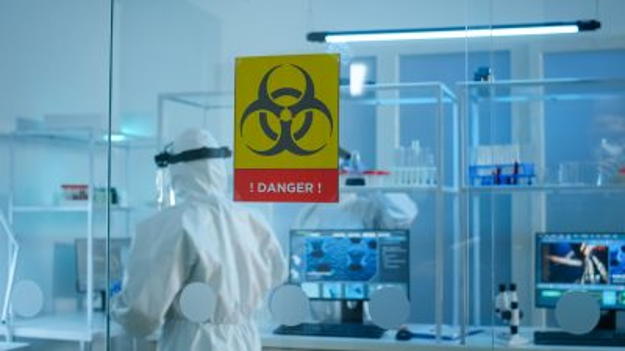
Workers must wear proper personal protective equipment (PPE), isolate the compromised specimen using secondary containment, and decontaminate all exposed surfaces following institutional safety guidelines.
Safety and Containment
- Put on heavy-duty gloves, eye protection, and a lab coat or face mask.
- Place the leaking or suspect container inside a sealed secondary pouch or bin.
- Move work away from clean testing zones to a designated containment area.
Cleaning and Disposal
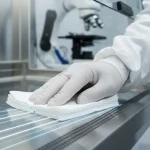
- Treat any spills with proper disinfectants like bleach or ethanol.
- Let the cleaning solution sit for at least ten to twenty minutes.
- Throw away waste items and damaged collection tools in a biohazard bin.
Investigation and Root Cause Analysis
- Audit the lab process: Check analyst aseptic technique, media expiration dates, incubator temperatures, and equipment calibration records.
- Review environmental monitoring: Pull particle counts, surface contact plates, and air settling data from the cleanroom or sampling time frame.
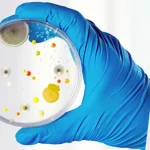
- Identify the organism: Perform rapid identification (such as MALDI-TOF or gene sequencing) to see if the isolate matches known environmental strains or facility flora.
- Use analytical tools: Apply Ishikawa (fishbone) diagrams or 5-Why methodologies to differentiate between a true product failure and a false positive caused by laboratory error
Prevention and Review
- Inspect all nearby tools and storage units for residue or leaks.
- Record the incident details to trace the root source.
- Restring or update handling rules if issues happen again
Disposition and Disposal
- Execute retest protocols: Only retest if justified by a documented laboratory error, utilizing predetermined standard operating procedures (SOPs).
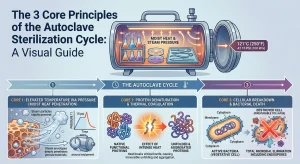
- Safe autoclaving: Decontaminate all positive cultures, plates, and contaminated test vessels using a validated autoclave cycle before final disposal.
- Document and report: File a complete deviation report detailing the impact assessment, investigation findings, and corrective/preventive actions (CAPA).