Internal Audits in Pharma QA: Planning, Execution and Follow-Up
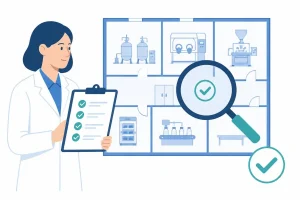
How internal audits work in pharmaceutical QA: planning, conducting the audit, classifying findings, and following up with CAPA.
Read more
How internal audits work in pharmaceutical QA: planning, conducting the audit, classifying findings, and following up with CAPA.
Read more
Learn what data integrity means in pharma, the ALCOA+ principles, common problems with paper and electronic records, and how to prevent them.
Read more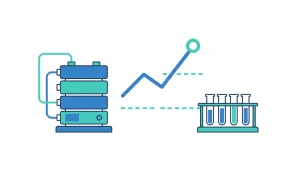
Understand OOS and OOT results in pharma: how to run Phase 1 and Phase 2 investigations, handle retesting, and review trends.
Read more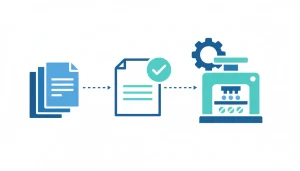
How change control works in the pharmaceutical industry: types of change, impact assessment, approval, implementation, and common mistakes.
Read more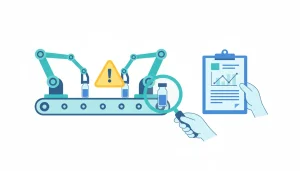
A practical guide to deviation management in pharma: types, classification, investigation steps, impact assessment, and closure.
Read more
Learn how CAPA works in pharmaceutical quality assurance: root cause investigation, corrective and preventive actions, effectiveness checks, and common mistakes to avoid.
Read more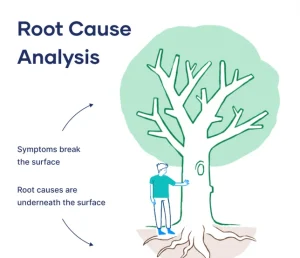
Introduction Root Cause Analysis (RCA) in the pharmaceutical industry is a systematic approach used to identify the underlying reasons for quality problems, deviations, equipment failures, and unexpected laboratory results. Instead…
Read more
Introduction Computer System Validation (CSV) in the pharmaceutical industry is a documented, risk-based process used to establish confidence that a computerized system is suitable for its intended use and performs…
Read more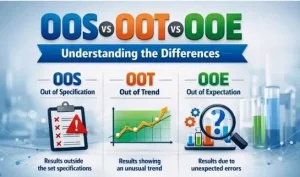
In pharmaceutical manufacturing, monitoring test results over time is essential for maintaining consistent product quality and identifying potential problems before they become serious. Even when a test result meets its…
Read more
Pharmaceutical quality cannot depend only on testing the finished product. Quality must be controlled throughout the manufacturing process to ensure that each critical step is performed within approved requirements. In-process…
Read more