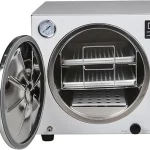
Sterilization is a critical process in pharmaceutical manufacturing that eliminates viable microorganisms from materials, equipment, and components. However, achieving sterilization does not guarantee that materials will remain sterile throughout storage and subsequent use. Improper handling after sterilization can introduce microbial contamination and compromise the sterility of the materials.
Post-sterilization handling of materials involves maintaining appropriate conditions during unloading, cooling, transfer, storage, and use. Proper handling practices are essential to prevent recontamination and maintain the sterility assurance of sterilized materials.
https://pharmavk.com/sterilization-cycle-reproducibility/
1. Why Is Post-Sterilization Handling Important?
After completion of a validated sterilization cycle, materials must be protected from environmental and handling-related contamination.
Poor post-sterilization practices may result in:
- Microbial contamination due to contact with unclean surfaces.
- Damage to sterile packaging or protective barriers.
- Contamination during transfer between areas.
- Loss of sterility due to improper storage conditions.
- Use of materials with compromised packaging integrity.
Therefore, maintaining sterility requires controlled handling practices throughout the post-sterilization process.
2. Key Precautions During Post-Sterilization Handling
A. Controlled Unloading
After completion of the sterilization cycle, materials should be unloaded according to the approved equipment procedure.
Important precautions include:
- Verify that the sterilization cycle has been completed successfully.
- Review and approve the cycle records before releasing the load, as applicable.
- Allow materials to cool under appropriate controlled conditions.
- Avoid unnecessary handling or movement immediately after sterilization.
- Use clean protective gloves when handling sterilized materials.
B. Maintaining Packaging Integrity
Packaging acts as a protective barrier against microbial contamination. Any damage can compromise its ability to maintain sterility.
Check for:
- Torn, punctured, or damaged packaging.
- Open or improperly sealed closures.
- Wet packaging or moisture inside protective wraps.
- Missing or unclear identification labels.
- Evidence of improper handling or storage.
Materials with compromised packaging should be segregated and assessed according to the approved procedure. They should not be used until their suitability has been established.
https://pharmavk.com/Why-is-packaging-va/
C. Controlled Transfer
Sterilized materials should be transferred through designated routes using appropriate protective measures.
For example, sterilized components transferred from an autoclave area to an aseptic processing area should remain protected from direct environmental exposure.
Transfer practices should include:
- Use of designated clean containers or covered trolleys.
- Avoidance of contact with non-sterile surfaces.
- Following approved material transfer and disinfection procedures.
- Maintaining appropriate segregation between sterile and non-sterile materials.
D. Proper Storage Conditions
Sterilized materials should be stored in designated areas under specified environmental and storage conditions.
The storage area should be:
- Clean and appropriately controlled.
- Protected from dust, moisture, and unnecessary movement.
- Organized to prevent damage to sterile packaging.
- Managed using appropriate identification and status labelling.
Storage duration and conditions should follow validated processes and approved site procedures. Sterility should not be assumed solely because a material has completed a sterilization cycle.
3. Common Mistakes That Can Compromise Sterility
| Common mistake | Potential impact |
|---|---|
| Handling materials with unclean gloves | Risk of microbial contamination |
| Storing wet sterilized packs | Possible packaging barrier compromise |
| Using damaged sterile packaging | Loss of protective barrier |
| Placing sterile materials on unclean surfaces | Risk of recontamination |
| Mixing sterile and non-sterile materials | Cross-contamination risk |
| Ignoring sterilization cycle deviations | Uncertainty about sterilization effectiveness |
4. Documentation and Material Release
Documentation is important for demonstrating that sterilized materials were handled and stored according to approved procedures.
Relevant records may include:
- Sterilization cycle number and load identification.
- Cycle completion and review records.
- Physical condition and packaging integrity checks.
- Material transfer and storage details.
- Sterilization indicators, where applicable.
- Deviations and investigations, if any.
Materials should be released for use only after the required review and approval activities have been completed.
https://pharmavk.com/Why-is-Good-Documen/
5. What Should Be Done If Sterile Packaging Is Damaged?
If damaged packaging is identified after sterilization, the material should be segregated and its status clearly identified to prevent unintended use.
The incident should be reported to the responsible department and assessed through the site’s approved quality system. The assessment should consider the extent of damage, material type, exposure conditions, and potential impact on sterility.
Where sterility cannot be assured, the material should not be used. Reprocessing or re-sterilization, if appropriate, must follow an approved and validated procedure.
Conclusion
Post-sterilization handling is as important as the sterilization process itself. Proper unloading, cooling, packaging inspection, controlled transfer, and suitable storage help prevent recontamination and maintain the sterility of materials until use.
Following approved SOPs, maintaining packaging integrity, and ensuring complete documentation are essential practices for effective contamination control in pharmaceutical manufacturing.
Frequently Asked Questions (FAQs)
1. Does successful sterilization guarantee that materials remain sterile?
No. Materials can become contaminated after sterilization if packaging is damaged or handling and storage conditions are inadequate.
2. Why should sterilized materials be allowed to cool before handling?
Cooling helps prevent handling-related damage, condensation, and potential compromise of packaging integrity. Cooling practices should follow the approved sterilization procedure.
3. Can materials with wet sterilized packaging be used?
Wet packaging may indicate a compromised protective barrier. Such materials should be segregated and assessed according to the approved procedure before any decision regarding use.
4. How should sterilized materials be stored?
They should be stored in designated, clean areas under specified conditions that protect packaging integrity and prevent contamination.
5. What is the most important precaution after sterilization?
Maintaining the integrity of the sterile barrier and preventing contamination during handling, transfer, and storage are essential.
References
1. World Health Organization (WHO). (2022). WHO Good Manufacturing Practices for Sterile Pharmaceutical Products. WHO Technical Report Series No. 1044, Annex 2, particularly sections 8.46–8.49.
WHO GMP for Sterile Pharmaceutical Products (PDF).
2. European Commission. (2022). EudraLex Volume 4, EU Guidelines for Good Manufacturing Practice, Annex 1: Manufacture of Sterile Medicinal Products. Particularly sections 8.45–8.48.
EU GMP Annex 1 (PDF).
3. Health Canada. GUI-0119: Annex 1 – Manufacture of Sterile Drugs. Guidance on sterilization, packaging integrity, storage, and transfer of sterilized materials.
Health Canada GMP Annex 1 Guidance.
4. U.S. Centers for Disease Control and Prevention (CDC). Sterilizing Practices. Guidance on sterilization packaging, handling, and storage of sterile items.
CDC – Sterilizing Practices.