Why Is pH Important in Microbiological Culture Media?
pH in Microbiological Culture Media is one of those details that’s easy to overlook but directly controls whether a test even works. Maintaining the correct pH is critical because it directly governs enzyme activity, nutrient availability, and microbial survival get it wrong, and even a perfectly formulated medium can fail to recover the organisms it’s meant to detect.
This article covers why pH matters so much in culture media, what commonly causes it to shift, and five key points worth remembering every time media gets prepared.
Why pH Matters
Selectivity
Controlling pH helps stop unwanted contaminants from growing while still supporting your target organism pH is one of the quiet ways a medium stays selective.
Enzyme Function
Proteins and internal enzymes rely on specific hydrogen ion concentrations to keep their shape. The wrong pH changes ionic charges and causes denaturation (unfolding), which stops metabolism and kills the cell.
Microbial Growth Preferences
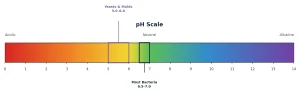
Different microbes need specific pH levels to thrive. Most bacteria prefer a near-neutral pH (6.5 to 7.0), while fungi like yeasts and molds tend to prefer a slightly acidic environment (pH 5.0 to 6.0).
https://pharmavk.com/antimicrobial-effectiveness-testing-aet/
Nutrient Availability
Extreme pH levels can change the chemical compounds in the medium, making essential nutrients insoluble and effectively impossible for organisms to absorb even if the nutrients are technically present.
https://pharmavk.com/method-suitability-test-microbiology/
What Can Cause the pH of Culture Media to Change?

- Incorrect media preparation
- Water quality
- Incorrect pH adjustment
- Heating
- Sterilization
- Microbial multiplication
- Recovery of microorganisms
As a result, incorrect pH in Microbiological Culture Media can lead to poor, delayed, or inhibited microbial growth. In simple terms: correct nutrients + incorrect pH = potentially poor microbial recovery, no matter how well the rest of the formulation was done.
5 Key Points to Remember
- pH is an important characteristic of microbiological culture media.
- Different microorganisms have different pH preferences.
- Incorrect pH can affect microbial growth and recovery.
- Media preparation, water quality, heating, sterilization, and storage can all influence pH.
- pH control is part of ensuring reliable microbiological test results.
That’s why pharmaceutical microbiology laboratories pay close attention to media preparation, pH measurement, sterilization, storage, and performance testing. When the medium is right, the microbiologist can have far greater confidence in the result.
Frequently Asked Questions
What is the ideal pH range for most bacterial culture media?
Most bacteria grow best in a near-neutral range, roughly pH 6.5 to 7.0, though specific media and organisms can call for different targets per their formulation.
Why do fungi prefer a different pH than bacteria?
Yeasts and molds are generally more tolerant of acidic conditions and often grow best around pH 5.0 to 6.0, which also happens to help suppress bacterial competition in fungal-selective media.
Can sterilization change the pH of culture media?
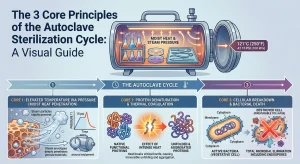
Yes. Heat during autoclaving can shift a medium’s pH, which is why pH is typically checked both before and after sterilization rather than assumed to stay constant.
How is pH measured in culture media?
Typically with a calibrated pH meter on a representative sample of the prepared medium, following the laboratory’s validated procedure and any applicable pharmacopeial guidance such as USP <1117>.
What happens if culture media pH is out of range?
The medium may support poor, delayed, or inhibited microbial growth even when the nutrient formulation itself is correct which can compromise the reliability of the test result.
Conclusion
pH in Microbiological Culture Media isn’t a minor detail it’s one of the fundamental factors determining whether a test actually recovers the organisms it’s designed to detect. Selectivity, enzyme function, growth preferences, and nutrient availability all hinge on getting it right. A lab that pays consistent attention to media preparation, pH measurement, sterilization, and storage gives itself a real edge: confidence that a clean result reflects reality, not a quietly failed medium.
https://pharmavk.com/Why-is-Environment/
References