Bioburden testing is performed before sterilization to measure the number and types of viable microorganisms contaminating a product.
It serves as a vital preventive tool to validate the sterilization process, ensure patient safety, and maintain compliance with manufacturing regulations.
Why Is Bioburden Testing Important?
Bioburden testing provides a measure of the contaminants present on a medical device or piece of equipment, just prior to the final sterilization process before implantation or patient interaction.
An accurate bioburden measurement allows for proper selection of sterilization process, as well as calibration and measurement of the level of sterilization required.
Bioburden also acts as an indicator of the level of control over contaminants in the manufacturing process.
Without a bioburden analyser, it is possible that improper or incorrect sterilization methods may be used, or that sterilization may not be executed thoroughly enough which may result in the presence of unwanted microbes when the device is implanted or used.
The vital step in bioburden testing is the collection of samples or recovery methods of microorganisms from products and medical devices. Bioburden testing is highly used in pharmaceutical industries, manufacturers of medical devices, and cosmetics industries.
Procedure of Bioburden Testing
- Sample Preparation & Extraction
Microorganisms are removed from the product using suitable techniques such as rinsing, swabbing, sonication, or direct immersion, depending on the product type. - Microorganism Isolation
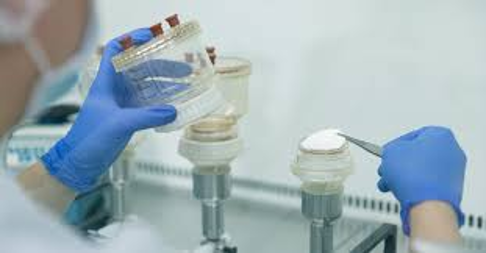
The extracted sample is filtered, usually through a 0.45 µm membrane filter, to capture microorganisms and remove any interfering substances. - Culturing & Incubation
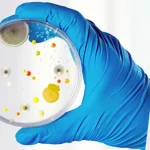
The membrane or sample is transferred to appropriate culture media and incubated under specified conditions to allow microorganisms to grow. - Enumeration
After incubation, the colonies are counted and reported as Colony Forming Units (CFU). The results are expressed as Total Aerobic Microbial Count (TAMC) and Total Yeast and Mold Count (TYMC). - Result Evaluation & Reporting
The microbial count is compared with predefined acceptance criteria. The final results help assess process hygiene and determine whether the product is suitable for sterilization.
Why Is Bioburden Assessment Important?
A well-designed bioburden assessment helps pharmaceutical manufacturers:
- Evaluate the effectiveness of cleaning and sanitation
- Monitor the microbiological quality of the manufacturing process
- Support sterilization validation
- Detect contamination trends early
- Ensure GMP compliance
- Protect product quality and patient safety