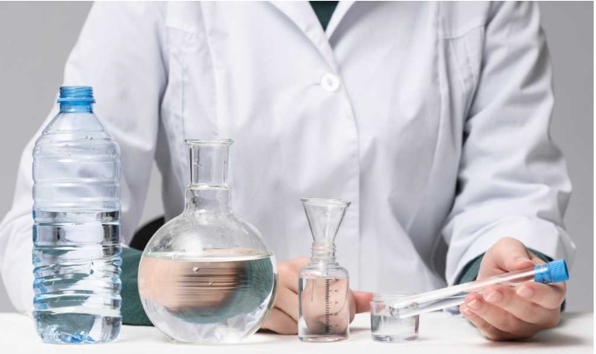
Water is one of the most widely used raw materials in the pharmaceutical industry. It is used in manufacturing processes, cleaning activities, laboratory testing, and the preparation of pharmaceutical products. Because of its extensive use, maintaining water quality is critical to ensuring product safety and compliance.
But why is water testing so important?
Water can be contaminated by microorganisms, endotoxins, dissolved minerals, organic compounds, and other impurities. If contaminated water is used during manufacturing, it can compromise product quality, lead to batch rejection, and create potential risks for patients.
To prevent such issues, pharmaceutical companies routinely test water systems to ensure they meet predefined quality standards and regulatory requirements.
Unlike many other raw materials, water is used in large quantities every day. Therefore, even a small contamination issue can affect multiple batches and manufacturing processes.
If these impurities are not detected and controlled, they can lead to product contamination, microbial growth, equipment damage, process deviations, and regulatory non-compliance.
To ensure water quality, pharmaceutical companies perform routine testing of purified water, potable water, and Water for Injection (WFI) systems.
Some of the important tests performed include:
Microbial Limit Testing, Total Organic Carbon (TOC), Conductivity Testing, Endotoxin Testing, Testing for Specified Microorganisms.
These tests help verify that the water system is operating effectively and consistently producing water that meets pharmacopeial requirements.
Benefits of regular water testing
- Ensures product quality and consistency
- Detects contamination at an early stage
- Supports GMP compliance
- Protects patient safety
- Improves process reliability
- Prevents costly batch failures and investigations
In today’s pharmaceutical industry, water testing is not merely a quality control activity—it is a critical component of contamination control, regulatory compliance, and product safety.