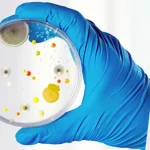
Growth Promotion Testing (GPT) is performed to validate that a batch of microbiological culture media can successfully support the growth of target microorganisms. It is a critical quality control step that ensures accurate, reliable, and reproducible testing results in pharmaceuticals, food safety, and clinical environments.
But why is GPT necessary?
Its primary purpose is to prevent false-negative results by ensuring that if a microorganism is present in a test sample, the media will actually allow it to grow and be detected. This testing acts as a critical gatekeeper in pharmaceutical, medical, and food safety laboratories, confirming that the media has not been compromised by chemical imbalances, incorrect pH levels, overheating during sterilization, or extreme temperatures during transit.
Think of Growth Promotion Testing like testing a new soil mix before planting an expensive crop. You plant a few seeds that you know are healthy. If the seeds grow, the soil is good. If they die, something is wrong with the soil.
Here is exactly how it works in three simple steps:
- Add a Few Microbes: Add a small, known number of microbes to a new batch of growth gel or liquid.
- Let Them Incubate: The containers are placed in a warm incubator for a few days to let the microbes multiply.
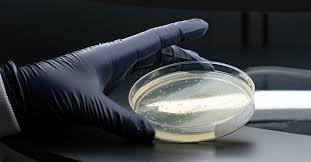
- Check for Growth: If the microbes grow into visible spots (on gel) or make the liquid cloudy, the batch passes the test and is ready to use
GPT helps confirm that:
- The media is suitable for its intended purpose
- Microorganisms can grow properly in the medium
- Test results generated using the media are reliable
- Regulatory and GMP requirements are fulfilled
Without GPT, there is a risk that microorganisms present in a sample may fail to grow, resulting in inaccurate microbiological results.
Therefore, Growth Promotion Testing acts as a quality check for culture media before it is used for routine microbiological analysis.