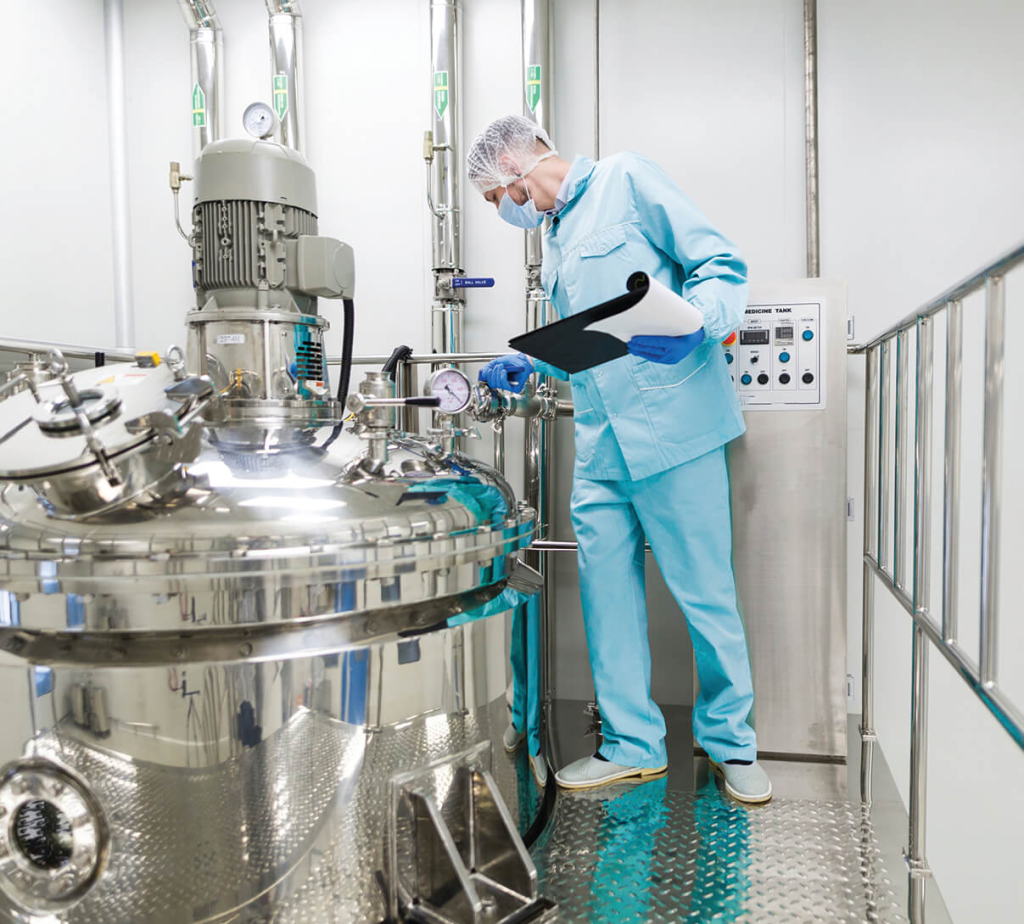
New instrument qualification involves a series of steps to ensure the instrument operates correctly and meets required specifications for its intended use in a regulated environment.
The process typically follows four main stages:
- 𝗗𝗲𝘀𝗶𝗴𝗻 𝗤𝘂𝗮𝗹𝗶𝗳𝗶𝗰𝗮𝘁𝗶𝗼𝗻 (𝗗𝗤):
Ensure the instrument’s design is suitable for the intended purpose.
Review the manufacturer’s specifications, technical data, and compliance with industry standards. - 𝗜𝗻𝘀𝘁𝗮𝗹𝗹𝗮𝘁𝗶𝗼𝗻 𝗤𝘂𝗮𝗹𝗶𝗳𝗶𝗰𝗮𝘁𝗶𝗼𝗻 (𝗜𝗤):
Verify the instrument is installed correctly in the operating environment.
Check that it meets installation requirements, such as power supply, location, and environmental controls.
Document all connections, utilities, and accessories. - 𝗢𝗽𝗲𝗿𝗮𝘁𝗶𝗼𝗻𝗮𝗹 𝗤𝘂𝗮𝗹𝗶𝗳𝗶𝗰𝗮𝘁𝗶𝗼𝗻 (𝗢𝗤):
Test the instrument under normal operational conditions to confirm it performs as expected.
Verify critical parameters like temperature control, pressure, or speed, depending on the instrument.
Conduct functional testing, calibration, and checks against predefined criteria. - 𝗣𝗲𝗿𝗳𝗼𝗿𝗺𝗮𝗻𝗰𝗲 𝗤𝘂𝗮𝗹𝗶𝗳𝗶𝗰𝗮𝘁𝗶𝗼𝗻 (𝗣𝗤):
Ensure the instrument performs consistently during actual usage.
Run the instrument under real-world conditions and monitor its performance over time.
Compare results to acceptance criteria to confirm the instrument is fit for its intended use.
After each step, detailed documentation and reports are generated and reviewed to ensure compliance with regulatory requirements, such as GMP (Good Manufacturing Practices) or GLP (Good Laboratory Practices).