Fumigation is a decontamination method that uses gas or vapor to kill microorganisms and
prevent microbial growth.
In a microbiology lab, fumigation is used to decontaminate all areas.
Fumigation help to maintain the integrity of experiments and prevent the spread of potentially
harmful microorganisms.
Fumigation typically involves the use of chemicals or gases that can penetrate and disinfect
hard-to-reach areas, ensuring a sterile environment for microbiological work.
Fumigation is also used in hospitals, labs, hotels, and offices
Fumigation is the most common method used to decontaminate tissue culture rooms.
The affected area is filled with gas or vapor, such as formaldehyde. Formaldehyde is capable of killing bacteria, viruses, fungi, algae, and protozoa.
Formaldehyde is not recommended because it is harmful to human health.
Before fumigation, you should turn off the AHU (Air handling unit).
In a microbiology lab, fumigation is done weekly or once every 15 days, as needed.
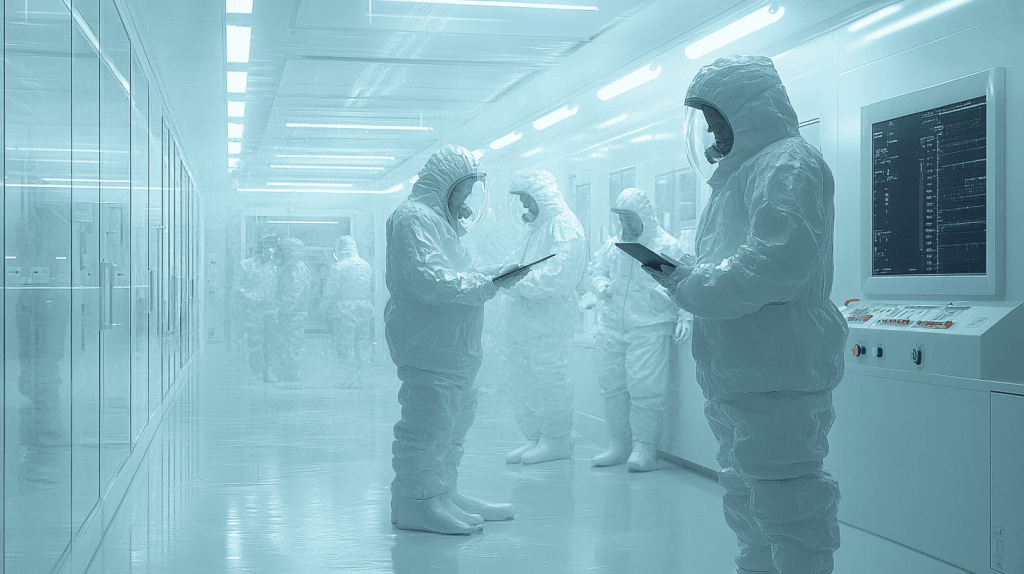
When fumigating, adequate care must be taken by wearing personal protective equipment
(PPE) including masks, gloves, and eye protection.
Prepare fumigation solution ( 10% Minncare)
Calculate based on the area and sprying time. Prepare according to the solution.Seal the area by keeping all log books inside the cupboard and covering the instruments with a sink wrapper.
Allow the fumigant to remain in the lab for the recommended period.
After fumigation, ventilate the lab thoroughly to remove residual fumigant before re-entering.
restart the HVAC system, ensuring all traces of the fumigant are gone.
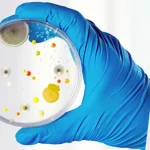
Perform microbial swab testing or settle plate monitoring to verify the effectiveness of the
fumigation process.
Update log books preparation of fumigation solution and fumigation record log book.