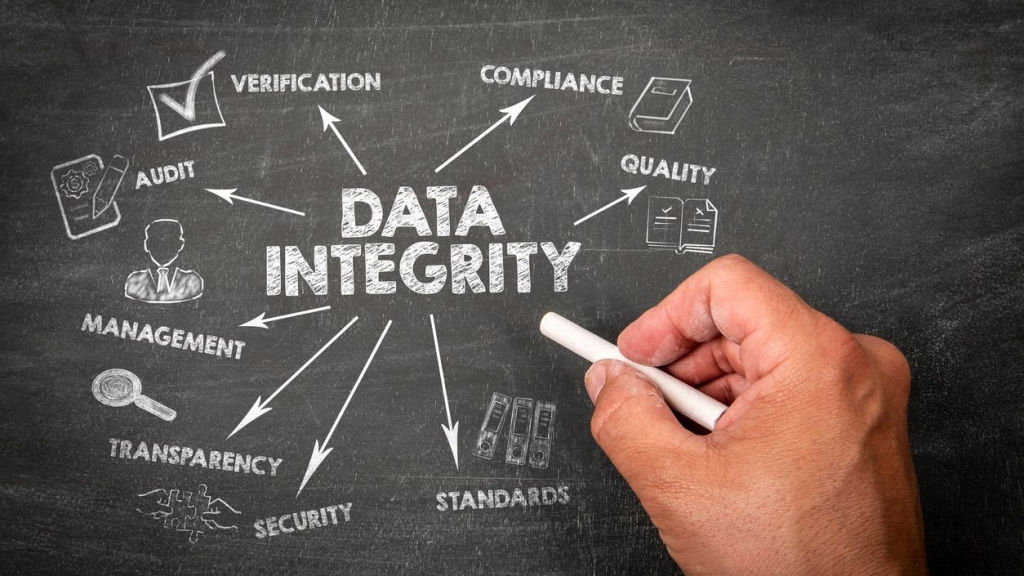
Data integrity refers to the completeness, consistency, and accuracy of data.
Complete, consistent, and accurate data should be attributable, legible,
contemporaneously recorded, original or a true copy, and accurate (ALCOA).
Data integrity is an important current issue for regulators around the world. During
inspections a multitude of problems being found by the pharmaceutical regulatory
agency because poor practices develop the substandard product for patients.
Collection of various types of information and results collectively made in the form of
data. This data becomes one of the most valuable assets of any organization but
without integrity, this data is not much useful. Accuracy and original data increase the
chances of stability and performance of an organization.
Data integrity is the extent to which all data are complete, consistent and accurate
throughout the life cycle of data. It includes Good Documentation Practice which
leads to preventing data from being altered, copied or moved.
In data integrity, data means all original records including source data and metadata
which may be recorded in paper or electronic form.
To assure the data integrity many regulatory bodies such as USFDA, Health Canada,
and EMEA recommended the use of ALCOA
(Attributable, Legible, Contemporaneous, Original and Accurate).
There is various reason for data integrity issue some of them write
- No raw data to support records or loss of data during
changes to the system - Creating inaccurate and incomplete records
- Test results for one batch used to release other batches
- Backdating
- Discarding data repeated tests, trial runs, sample runs
(testing into compliance) - Changing integration parameters of chromatography data
to obtain passing results
Deletion/manipulation of electronic records or fabricating
of data - Turning off audit trail
- Sharing password
- Inadequate controls for access privileges
- Inadequate/incomplete computer validation.
- Activities not recorded contemporaneously
- Employees that sign that they completed manufacturing
- Close application without saving data