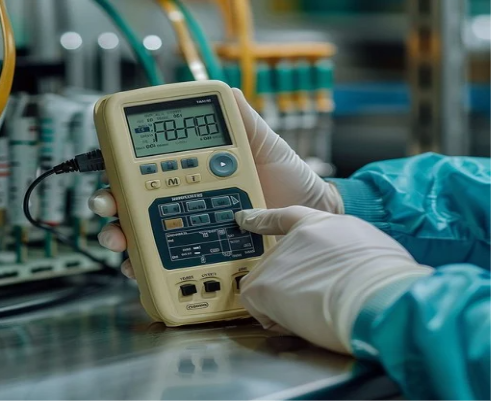
Calibration is the process of checking and adjusting a measuring device to ensure it gives accurate and reliable results. It works by comparing the device’s readings against a known, trusted standard.
Whether it’s a weighing balance, pH meter, thermometer, pressure gauge, incubator, or analytical instrument, calibration helps ensure that every measurement is accurate and trustworthy.
Calibration ensures that your measuring instruments remain accurate, reliable, and safe by comparing them against a known traceable standard. Over time, factors like environmental changes, mechanical wear, and component drift cause equipment to lose its precision. Regular calibration detects and corrects these hidden errors, which directly prevents costly production mistakes, dangerous safety hazards, and product recalls.
Think of calibration like setting the correct time on your watch. If the time is wrong, every decision based on that time can be affected. Similarly, an uncalibrated instrument can lead to incorrect measurements and poor-quality decisions.
That’s why Calibration is a critical activity in every pharmaceutical manufacturing and testing facility.
Benefits of calibration include:
• Accurate and reliable measurements
• Consistent product quality
• Compliance with GMP requirements
• Reduced risk of deviations and batch failures
• Increased confidence in analytical and manufacturing data
Without proper calibration, decisions may be based on inaccurate data, leading to quality issues and potential risks to patient safety.
Therefore, calibration is not just a regulatory requirement—it is an essential part of maintaining data integrity and ensuring the quality of pharmaceutical products.