Incubation is an essential step in pharmaceutical microbiological testing. It provides suitable conditions for microorganisms to grow and become detectable during microbial enumeration, sterility testing, environmental monitoring and other microbiological examinations.
However, incorrect incubation sequence in microbiological testing can affect microbial recovery, colony development and the interpretation of test results.
Incubation requirements may include a specified temperature, duration, medium and sequence of incubation or transfer steps. If these conditions are not followed as described in the approved method, the reliability of the test may be affected.
For pharmaceutical microbiology laboratories, following the approved incubation procedure is important to ensure that results are accurate, reproducible and scientifically valid.
https://pharmavk.com/pre-incubation/
What Is Incubation Sequence in Microbiological Testing?
Incubation sequence refers to the prescribed order and conditions under which a sample, culture medium or microbial preparation is incubated during a microbiological test.
Depending on the test method, it may involve:
- Incubation at a specified temperature.
- Incubation for a defined period.
- Sequential incubation under different conditions, when prescribed.
- Transfer from an enrichment medium to another medium.
- Incubation of different media under their respective conditions.
- Examination of cultures at specified stages.
Not every microbiological test uses a sequential incubation process. Some tests require different media to be incubated separately or in parallel.
For example, microbial enumeration tests specify incubation conditions for the selected media, while sterility testing requires the prescribed media and incubation conditions stated in the applicable compendial method.
The correct sequence must always be taken from the approved test method or SOP.
Why Is the Correct Incubation Sequence Important?
1. Supports Appropriate Microbial Recovery
Microorganisms differ in their growth requirements.
Some may grow well at a particular temperature, while others may require different conditions or longer incubation periods.
If the prescribed incubation conditions are changed or the sequence is incorrect, certain microorganisms may not recover as expected.
This may affect the ability of the method to detect microorganisms present in the sample.
2. Helps Detect Slow-Growing Microorganisms
Some microorganisms require longer incubation periods before visible growth develops.
If incubation is stopped early or the required incubation period is not completed, slow-growing organisms may remain undetected.
This is particularly important in sterility testing and microbiological examinations where the method specifies a defined incubation period.
3. Prevents Incorrect Interpretation of Results
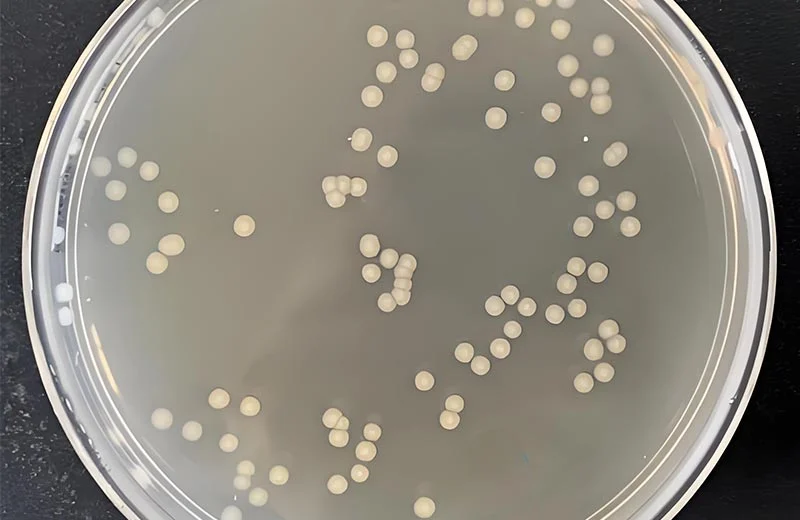
The incubation conditions influence the appearance and development of microbial growth.
Incorrect temperature or duration may result in:
- Delayed colony development
- Reduced microbial recovery
- Poor growth
- Changes in colony appearance
- Difficulty in interpreting results
Therefore, results should be evaluated only after the prescribed incubation conditions have been completed.
4. Maintains Method Consistency
Microbiological methods are designed and validated using defined conditions.
Changing the incubation sequence without scientific justification may introduce variability between tests and affect comparability of results.
Following the approved method helps maintain consistency between analysts, test batches and laboratory activities.
Examples of Incorrect Incubation Sequence
Example 1: Incorrect Incubation Temperature
A microbiology analyst places a culture plate in an incubator set at a temperature different from the temperature specified in the approved procedure.
The plate remains under the incorrect condition for a significant period.
Possible impact:
- Microbial recovery may be affected.
- Some microorganisms may grow more slowly or may not recover adequately.
- Colony development may differ from the expected pattern.
The impact depends on the microorganism, medium, temperature difference and exposure duration.
Example 2: Incubation Period Not Completed
During sterility testing, a sample is removed from incubation before the required incubation period is completed.
Possible impact:
Slow-growing or injured microorganisms may not have sufficient time to develop detectable growth.
The test may therefore be compromised, and the result may not be considered valid unless the event is assessed according to the applicable procedure.
Example 3: Incorrect Order of Incubation Conditions
A method requires incubation under a defined sequence of conditions. However, the analyst begins with the second condition instead of the first.
Possible impact:
The altered sequence may affect microbial recovery or the expected response of the test.
The laboratory should assess whether the method’s intended conditions were achieved and whether the test remains scientifically valid.
Example 4: Incorrect Transfer Between Media
In a microbiological test involving enrichment followed by subculture, the analyst transfers the sample to the next medium before completing the prescribed enrichment period.
Possible impact:
The target microorganism may not have reached the expected level of recovery or growth before transfer.
This can affect detection and subsequent identification.
Example 5: Different Media Incubated Under the Same Conditions
A laboratory uses two media that require different incubation conditions but places both under the same temperature and duration without an approved justification.
Possible impact:
One or both media may not provide the intended recovery conditions.
The laboratory should follow the specified incubation requirements for each medium.
How Can Incorrect Incubation Affect Different Microbiological Tests?
| Test | Possible effect of incorrect incubation |
|---|---|
| Microbial enumeration | Incorrect or reduced microbial recovery and colony counts |
| Sterility testing | Delayed detection or failure to detect growth within the prescribed conditions |
| Environmental monitoring | Reduced recovery or altered colony development |
| Growth promotion testing | Inappropriate assessment of the medium’s ability to support growth |
| Microbial identification | Poor growth or insufficient colony development for identification |
| Specified microorganism testing | Reduced recovery or failure to detect the target organism |
The actual impact should be assessed based on the test method, organism, medium and incubation conditions involved.
What Should a Microbiology Analyst Do If the Incubation Sequence Is Incorrect?
If an analyst identifies an incubation error, the event should be reported and assessed according to the approved laboratory procedure.
Step 1: Stop and Inform the Supervisor
Inform the microbiology supervisor or responsible personnel as soon as the error is identified.
Do not silently correct the incubation conditions or continue without reporting the event.
Step 2: Document the Incident
Record relevant details, including:
- Test or sample identification
- Date and time of the incident
- Incubation condition specified in the procedure
- Actual condition followed
- Duration of the incorrect condition
- Incubator identification
- Current sample status
Step 3: Assess the Potential Impact
Evaluate whether the incorrect sequence could affect microbial recovery, growth or result interpretation.
Consider the microorganism, medium, temperature difference, duration and stage of the test.
Step 4: Follow the Approved Deviation Procedure
Where required, initiate a deviation or laboratory incident.
The event should be investigated according to the site’s quality system.
Step 5: Determine the Appropriate Disposition
The responsible quality function should determine whether the test can be scientifically justified, requires additional assessment or must be repeated.
A repeat test should not be performed automatically to obtain an acceptable result. The decision must be supported by the investigation and applicable procedure.
Real-Life Pharmaceutical Microbiology Scenario
A QC microbiology analyst is performing microbial enumeration testing on a non-sterile pharmaceutical product.
The approved procedure specifies different incubation conditions for the media used to determine the total aerobic microbial count and total combined yeasts and molds count.
During routine work, the analyst accidentally places both media under the same incubation condition.
The error is identified during the next day’s incubator check.
What should happen?
- The analyst should immediately inform the supervisor.
- The sample and media identification should be verified.
- The actual incubation temperature and duration should be documented.
- The potential effect on microbial recovery should be assessed.
- The event should be managed through the approved procedure.
- QA or the responsible quality function should determine the appropriate action.
The analyst should not simply move the plates to the correct incubator and assume that the test remains valid.
How Can Incorrect Incubation Sequence Be Prevented?
1. Follow the Approved SOP
Use the current approved procedure for incubation temperature, duration, sequence and transfer steps.
2. Verify Incubator Settings Before Use
Confirm that the incubator is suitable for the test and that its temperature is within the required range.
3. Use Clear Sample Identification
Label samples and culture media with appropriate identification and incubation details according to the laboratory procedure.
4. Maintain Incubation Records
Record the start and end times, incubator identification and other required information.
5. Use Separate Incubation Areas When Required
Where different tests or media require different conditions, ensure that they are placed in the appropriate incubator or designated location.
6. Train Analysts on Test-Specific Requirements
Analysts should understand not only the incubation temperature but also the purpose of the incubation conditions and sequence specified in the method.
Frequently Asked Questions (FAQs)
1. Can incorrect incubation sequence affect microbial test results?
Yes. Incorrect incubation conditions or sequence may affect microbial recovery, growth and result interpretation. The impact depends on the test method and the nature of the error.
2. Is incubation sequence the same for all microbiological tests?
No. Different tests have different incubation requirements. The sequence and conditions must follow the applicable compendial method or approved SOP.
3. What happens if a culture is incubated at the wrong temperature?
Incorrect temperature may delay growth, reduce recovery or affect colony development. The event should be assessed based on the temperature difference and exposure duration.
4. Should a microbiological test be repeated after an incubation error?
Not automatically. The decision should be based on a documented assessment of the error, its potential impact and the applicable procedure.
5. Why is incubation time important in microbiological testing?
Incubation time allows microorganisms to develop detectable growth under the prescribed conditions. Insufficient incubation may result in delayed or missed detection.
Conclusion
Correct incubation sequence is an important part of pharmaceutical microbiological testing. Following the prescribed incubation conditions helps maintain microbial recovery, consistency and reliable result interpretation.
Incorrect incubation temperature, duration or transfer sequence may affect the ability of a test to detect microorganisms and can compromise the validity of the result.
For microbiology analysts, the key is to follow the approved method, document incubation activities accurately and report any error immediately.
References
1. USP – General Chapter : Microbial Enumeration Tests
https://doi.usp.org/USPNF/USPNF_M98800_02_01.html
2. USP – General Chapter : Microbiological Best Laboratory Practices
https://doi.usp.org/USPNF/USPNF_M613_03_01.html
3. FDA – Pharmaceutical Microbiology Manual
https://www.fda.gov/media/88801/download
4. FDA – Microbiological Pharmaceutical Quality Control Labs
https://www.fda.gov/inspections-compliance-enforcement-and-criminal-investigations/inspection-guides/microbiological-pharmaceutical-quality-control-labs-793
5. USP – Microbial Enumeration Tests, Harmonization Notice
https://test.usp.org/harmonization-standards/pdg/general-methods/microbial-enumeration