Handling Slow-Growing Microorganisms in Pharmaceutical TestingIntroduction
Microbiological testing in pharmaceutical laboratories plays an important role in ensuring product quality and patient safety. However, not all microorganisms grow at the same rate. Some microorganisms require additional time, specific nutritional requirements, or suitable environmental conditions before visible growth can be detected.
Handling slow-growing microorganisms in pharmaceutical testing is important because inadequate recovery conditions may result in delayed detection or failure to recover certain microorganisms during routine testing.
These microorganisms may be encountered in pharmaceutical water systems, environmental monitoring samples, raw materials, and product bioburden testing. Understanding their growth requirements and following suitable microbiological testing procedures help improve microbial recovery and support reliable laboratory results.
1. What Are Slow-Growing Microorganisms?
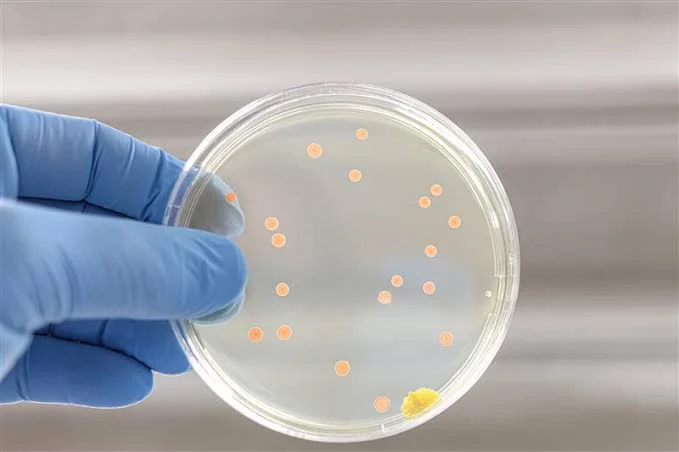
Slow-growing microorganisms are organisms that require more time than commonly encountered microorganisms to produce detectable growth under particular laboratory conditions.
Their growth may be influenced by:
- Nutrient availability in the culture medium.
- Incubation temperature.
- pH and environmental conditions.
- Previous exposure to disinfectants or other stress conditions.
- Physiological damage caused by processing or environmental stress.
Some microorganisms may also be fastidious, meaning they require specific nutrients or growth conditions. Slow-growing and fastidious microorganisms are related concepts, but they are not interchangeable.
2. Where Are Slow-Growing Microorganisms Encountered?
Slow-growing microorganisms may be recovered from different pharmaceutical testing environments.
| Testing area | Possible concern |
|---|---|
| Pharmaceutical water systems | Low-nutrient conditions may favour recovery of organisms that grow slowly on conventional media |
| Environmental monitoring | Stressed or injured microorganisms may require favourable recovery conditions |
| Bioburden testing | Product characteristics may interfere with microbial recovery |
| Raw material testing | Certain materials may contain microorganisms with specific nutritional requirements |
| Sterility testing | Organisms that grow slowly may require adequate incubation and suitable recovery conditions |
The microorganisms recovered depend on the source, environmental conditions, and testing method.
3. Factors Affecting the Recovery of Slow-Growing Microorganisms
A. Culture Media Selection
https://pharmavk.com/culture-media-selection-for-pharmaceutical-testing/
The choice of culture medium can influence microbial recovery.
Some microorganisms may not grow well on conventional high-nutrient media. In certain applications, low-nutrient media may improve the recovery of microorganisms adapted to nutrient-limited environments, such as pharmaceutical water systems.
The selected medium should be suitable for the intended test and supported by appropriate method suitability or validation.
B. Incubation Temperature
Different microorganisms have different temperature requirements for growth.
An unsuitable incubation temperature may delay growth or prevent the recovery of certain organisms. Therefore, incubation conditions should be selected based on the applicable pharmacopoeial method, validated procedure, and nature of the sample.
C. Incubation Duration
Some microorganisms require longer periods to produce visible colonies.
Insufficient incubation may result in underestimation of microbial counts or failure to detect organisms. However, extending incubation time without scientific justification or procedural approval is not appropriate.
D. Sample Handling and Transportation
Microbial viability can be affected by the time between sample collection and testing.
Improper storage temperature, prolonged transportation, or unsuitable sample containers may affect microbial recovery.
Samples should be collected, transported, and tested under qualified conditions specified in the approved procedure.
E. Product-Related Inhibition
Certain pharmaceutical products contain preservatives or antimicrobial ingredients that can inhibit microbial growth during testing.
If these inhibitory effects are not adequately controlled, microorganisms may fail to grow even when present in the sample.
Appropriate neutralization, dilution, or membrane filtration may be required, depending on the product and validated method.
4. How Should Laboratories Handle Slow-Growing Microorganisms?
The following practices help laboratories improve microbial recovery and maintain reliable testing.
Step 1: Review the testing method
Check the approved test procedure, specified culture media, incubation conditions, and sample requirements.
Step 2: Evaluate culture media suitability
Ensure that the culture medium is suitable for the intended purpose and that required growth promotion testing has been satisfactorily completed.
Step 3: Review sample handling conditions
Examine sample collection time, transportation conditions, storage duration, and storage temperature.
Step 4: Investigate possible inhibitory effects
Determine whether the product formulation, preservatives, or other sample components could interfere with microbial recovery.
Step 5: Assess incubation conditions
Verify the actual incubation temperature, duration, equipment records, and any deviations from the approved procedure.
Step 6: Document and investigate findings
Record observations, test results, and any deviations. If inadequate recovery is suspected, conduct an investigation and evaluate whether the method requires scientifically justified modification and validation.
5. Practical Example from a Pharmaceutical Laboratory
Consider a pharmaceutical water sample collected for routine microbiological monitoring.
The sample produces very low microbial recovery using the routine testing method. However, investigation suggests that the water system may contain microorganisms adapted to low-nutrient conditions.
The microbiologist reviews the sampling procedure, transportation conditions, culture medium, and incubation parameters.
Based on the investigation, the laboratory evaluates whether an appropriately selected low-nutrient medium and longer incubation period are necessary for the intended monitoring purpose.
Any change to the established method is scientifically justified, assessed, and implemented through the approved quality system.
This approach helps improve the recovery of relevant microorganisms without making uncontrolled changes to routine testing.
6. Common Mistakes to Avoid
| Common mistake | Possible impact |
|---|---|
| Using unsuitable culture media | Poor microbial recovery |
| Ignoring sample transportation conditions | Reduced microbial viability |
| Following incorrect incubation conditions | Delayed or failed growth |
| Ignoring product-related inhibition | False-negative or underestimated results |
| Extending incubation without approval | Results may not comply with the approved method |
| Incomplete documentation | Difficulty during investigation and review |
7. Importance in Pharmaceutical Quality Control
Proper handling of slow-growing microorganisms supports several important pharmaceutical microbiology activities:
- Environmental monitoring: Improves the understanding of microorganisms recovered from controlled manufacturing areas.
- Water system monitoring: Helps evaluate microbial populations that may require specific recovery conditions.
- Bioburden testing: Supports accurate assessment of microbial contamination before further processing.
- Sterility testing: Ensures that incubation and recovery conditions are suitable for detecting potential microbial contamination.
- Contamination investigations: Helps identify possible reasons for delayed or inadequate microbial recovery.
Conclusion
Slow-growing microorganisms present specific challenges in pharmaceutical microbiological testing. Their recovery can be influenced by culture media, incubation conditions, sample handling, and product-related inhibitory effects.
Selecting suitable recovery conditions, reviewing testing procedures, and maintaining accurate documentation are essential for obtaining reliable results.
Pharmaceutical microbiology laboratories should ensure that any changes to established testing conditions are scientifically justified and appropriately approved. This helps improve microbial detection while maintaining compliance with applicable testing requirements.
Frequently Asked Questions (FAQs)
1. Why do some microorganisms grow slowly in laboratory conditions?
Their growth may depend on specific nutritional requirements, environmental conditions, previous stress exposure, and the composition of the culture medium.
2. Can low-nutrient media improve microbial recovery?
Yes. Low-nutrient media may improve the recovery of certain microorganisms, particularly those adapted to nutrient-limited environments such as pharmaceutical water systems.
3. Does extending incubation time always improve microbial recovery?
Not necessarily. Longer incubation may improve the detection of some slow-growing organisms, but it should be scientifically justified and consistent with the approved testing method.
4. What is the difference between slow-growing and fastidious microorganisms?
Slow-growing microorganisms require more time to produce detectable growth, whereas fastidious microorganisms require specific nutritional or environmental conditions. Some microorganisms may have both characteristics.
5. Why is sample handling important in microbial testing?
Improper storage, transportation, or delays before testing may affect microbial viability and lead to inaccurate recovery results.
References
-
FDA. Pharmaceutical Microbiology Manual (2020). Includes considerations for fastidious microorganisms, media selection, and incubation conditions.
U.S. Food and Drug Administration+1
-
USP General Chapter ⟨1231⟩. Water for Pharmaceutical Purposes. Discusses microbial recovery in pharmaceutical water systems, including low-nutrient media and longer incubation considerations.
drugfuture.com+1
-
USP General Chapter ⟨1227⟩. Validation of Microbial Recovery from Pharmacopeial Articles. Read USP ⟨1227⟩.
-
FDA. Microbiological Pharmaceutical Quality Control Labs (7/93). Discusses recovery of damaged and slow-growing microorganisms in pharmaceutical testing.
FDA