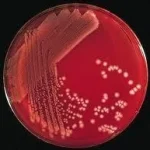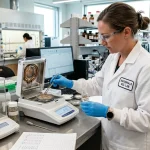
Culture Media Selection for Pharmaceutical Testing is essential for obtaining reliable, reproducible microbiological results. Culture media provide the nutrients and environmental conditions microorganisms need to grow, allowing pharmaceutical microbiology laboratories to detect, enumerate, and identify microorganisms in raw materials, finished products, water, environmental monitoring samples, and other pharmaceutical materials.
Different tests need different media depending on the target microorganisms, testing objective, and method requirements and incorrect selection can cause poor microbial recovery, false-negative results, or unreliable enumeration. This article explains the major types of culture media, the factors affecting selection, common examples, quality control tests, and good laboratory practices.
What Is Culture Media?
Culture media are nutrient preparations designed to support the growth, recovery, isolation, or identification of microorganisms under controlled laboratory conditions. Depending on composition and purpose, they may contain peptones and protein sources, carbohydrates, salts and minerals, growth factors, vitamins, selective agents, differential indicators, buffers, and agar or other solidifying agents. The composition determines which microorganisms can grow and how they can be detected.
In pharmaceutical microbiology, culture media are commonly used for microbial enumeration, detection of specified microorganisms, environmental monitoring, sterility testing, growth promotion testing, microbial identification, water and utility testing, and media fill/aseptic process simulations.
Why Is Culture Media Selection Important in Pharmaceutical Testing?
Proper Culture Media Selection for Pharmaceutical Testing directly affects microbial recovery and test reliability:
- Reliable microbial recovery: a suitable medium provides the nutrients and conditions needed to recover microorganisms that may be present in a sample
- Detection of target microorganisms: selective and differential media can help detect specific groups or species
- Accurate enumeration: the medium should support recovery of viable microorganisms without unnecessarily inhibiting growth
- Consistent test results: an appropriate, qualified medium improves consistency between batches, analysts, and testing occasions
- Regulatory compliance: laboratories must demonstrate microbiological methods and materials are suitable for their intended purpose, which means appropriate media preparation, storage, quality control, and performance verification
Major Types of Culture Media
Culture media can be classified by physical state, composition, and function.
Solid Media
Contain a solidifying agent such as agar and are commonly used for microbial isolation and colony enumeration — examples include Soybean-Casein Digest Agar, Sabouraud Dextrose Agar, MacConkey Agar, and Mannitol Salt Agar. Solid media let individual colonies develop, making them useful for enumeration and isolation.
Liquid Media
Also called broth media, these contain no solidifying agent and are commonly used for microbial enrichment, recovery of stressed microorganisms, detection procedures, and growing microorganisms for further testing examples include Soybean-Casein Digest Broth and Fluid Thioglycollate Medium.
Semi-Solid Media
Contain a lower concentration of solidifying agent than solid media and can serve specific applications, including certain motility and growth studies.
Classification Based on Function
General-Purpose Media
Support the growth of a broad range of microorganisms. Soybean-Casein Digest Agar (SCDA) is widely used for bacterial recovery and enumeration, including environmental monitoring, microbial enumeration, and microbial recovery studies.
Fungal Media
Designed to support fungal growth when yeasts and molds need to be recovered. Sabouraud Dextrose Agar (SDA) is commonly used for cultivating and recovering fungi and yeasts.
Selective Media
Contain components that inhibit certain microorganisms while allowing others to grow for example, MacConkey Agar is commonly used to detect or enumerate Gram-negative bacteria and can help differentiate lactose-fermenting from non-lactose-fermenting organisms.
Differential Media
Contain indicators that let microorganisms be distinguished by biochemical or metabolic characteristics changes in colony appearance or medium characteristics provide useful information during examination.
Enrichment Media
Formulated to encourage recovery and multiplication of particular microorganisms, especially when numbers are low or the organisms are stressed particularly useful for detecting specified microorganisms.
Common Culture Media Used in Pharmaceutical Microbiology
| Culture Medium | General Application |
|---|---|
| Soybean-Casein Digest Agar | Bacterial recovery and enumeration |
| Soybean-Casein Digest Broth | Recovery and enrichment of microorganisms |
| Sabouraud Dextrose Agar | Yeast and mold recovery |
| Fluid Thioglycollate Medium | Recovery of aerobic and anaerobic microorganisms in appropriate applications |
| MacConkey Agar | Detection/differentiation of Gram-negative bacteria |
| Mannitol Salt Agar | Selective recovery/differentiation of staphylococci |
| R2A Agar | Recovery of microorganisms from treated/purified water systems |
| Cetrimide Agar | Selective recovery of Pseudomonas aeruginosa in appropriate testing |
The exact medium and method should always be selected per the applicable compendial or validated procedure — see USP <61> and USP <71> for the compendial requirements.
7 Critical Factors in Culture Media Selection
Selection shouldn’t rest only on the name of the microorganism being tested. Several factors must be evaluated.
1. Purpose of the Test
The first question: what is the test for? Enumeration needs a medium suitable for recovery and counting; detecting a specified microorganism may need enrichment followed by selective isolation; environmental monitoring needs media suitable for recovering organisms from controlled environments.
2. Target Microorganisms
The expected microorganism determines the nutritional and selective requirements bacterial and fungal recovery, for example, may need different media because their growth requirements differ.
3. Sample Characteristics
The pharmaceutical sample itself can influence recovery product composition, preservatives, pH, osmolarity, antimicrobial activity, viscosity, and inhibitory substances. If a product has antimicrobial properties, appropriate neutralization or method suitability considerations may be necessary before microbial testing.
4. Recovery of Stressed Microorganisms
Microorganisms exposed to heat, chemicals, drying, radiation, or other stresses may become injured, and a highly selective medium may inhibit injured cells. A recovery or enrichment step may therefore be appropriate, depending on the validated method.
5. Incubation Conditions
Media must be compatible with the required incubation conditions temperature, duration, atmosphere, and aerobic or anaerobic requirements per the applicable test method or validated procedure.
6. Selectivity
Selective media suit situations where suppressing unwanted microorganisms is necessary, but excessive selectivity can reduce recovery of stressed or atypical organisms so selectivity should match the purpose of the test.
7. Growth Promotion Characteristics
A medium intended for microbiological testing should demonstrate satisfactory performance through appropriate quality control. Growth promotion testing helps show the medium supports growth of specified test microorganisms under defined conditions.
Growth Promotion Test and Culture Media
Growth Promotion Test (GPT) is an important quality control test for culture media in pharmaceutical microbiology, performed to demonstrate a medium can support the growth of appropriate microorganisms. Test organisms are selected per the applicable pharmacopoeial or validated procedure. A typical assessment involves:
- Preparation or selection of the culture medium
- Inoculation with appropriate test organisms
- Incubation under specified conditions
- Evaluation of microbial growth
- Comparison against predefined acceptance criteria
- Documentation of results
Media shouldn’t be used for critical microbiological testing if they fail the required performance criteria.
Sterility Testing of Culture Media
Culture media used for certain applications may also need sterility checks, to demonstrate that the prepared medium hasn’t been contaminated before use. Unexpected growth in an uninoculated medium can indicate contamination during preparation, inadequate sterilization, improper handling, container integrity problems, or storage-related contamination. Sterility checks and other quality control requirements should follow the applicable procedure.
pH and Other Physical Characteristics
The pH of a culture medium can significantly affect microbial growth (see our guide to pH in Microbiological Culture Media). During preparation and quality control, laboratories may evaluate appearance, color, clarity, pH, gel strength where applicable, sterility, growth promotion, and selectivity or differential characteristics where applicable with acceptance criteria defined in the relevant specification or applicable standard. USP <1117> covers best laboratory practices for microbiological media handling.
Prepared Media vs. Dehydrated Media
Dehydrated Media
Advantages: flexibility in preparation, ability to prepare required quantities, and potential cost advantages for routine operations. But preparation requires controlled weighing, dissolution, sterilization, labeling, storage, and quality control.
Ready-to-Use Media
Advantages: reduced preparation requirements, convenient handling, consistent supplier manufacturing, and reduced risk of preparation-related errors when appropriately controlled. Laboratories must still verify supplier qualification, storage conditions, expiry, packaging integrity, and required performance characteristics.
Common Errors in Culture Media Selection
- Using the wrong medium: a medium that doesn’t support the target organism can result in poor recovery
- Ignoring product inhibition: preservatives or antimicrobial components can interfere with recovery
- Incorrect incubation conditions: even a suitable medium may fail to recover microorganisms if conditions are inappropriate
- Poor media storage: incorrect temperature, excessive light or moisture exposure, or prolonged storage can affect performance
- Using expired media: expired media shouldn’t be used for critical testing unless specifically justified and permitted by an approved procedure
- Inadequate quality control: performance should be verified per the laboratory’s approved procedures and applicable requirements
Good Practices for Handling Culture Media
- Use approved media from qualified suppliers and follow the manufacturer’s preparation instructions
- Use suitable water and raw materials, and control preparation conditions
- Sterilize media using validated processes where applicable
- Label prepared media correctly and record preparation and expiry information
- Store media under specified conditions
- Perform required quality control tests
- Protect media from contamination during handling
- Don’t use media showing contamination, deterioration, or other unacceptable characteristics
- Maintain complete documentation and traceability
Culture Media Selection: A Simple 7-Step Decision Approach
Step 1: Define the Testing Objective
Determine whether the purpose is enumeration, detection, enrichment, isolation, or identification.
Step 2: Identify the Target Microorganisms
Determine which microorganisms or microbial groups need to be recovered or detected.
Step 3: Understand the Sample
Evaluate whether the product contains preservatives, antimicrobial substances, extreme pH, or other factors that may interfere with recovery.
Step 4: Select an Appropriate Medium
Choose a general-purpose, selective, differential, enrichment, or fungal medium based on the validated method.
Step 5: Verify Media Performance
Perform applicable quality control tests such as growth promotion and sterility checks.
Step 6: Follow Appropriate Incubation Conditions
Use the temperature, duration, and atmospheric conditions specified by the applicable method.
Step 7: Document the Process
Record media preparation, lot number, expiry, quality control results, and testing information as required.
Culture Media Selection for Different Pharmaceutical Applications
| Pharmaceutical Application | Typical Media Considerations |
|---|---|
| Microbial Enumeration | General-purpose media suitable for bacterial and/or fungal recovery |
| Environmental Monitoring | Media suitable for recovery of environmental microorganisms |
| Water Testing | Media selected according to water type and applicable method |
| Specified Microorganism Testing | Enrichment followed by appropriate selective/differential media where required |
| Sterility Testing | Appropriate liquid media for recovery of microorganisms |
| Fungal Examination | Media suitable for yeast and mold recovery |
| Microbial Identification | Media that support isolation and differentiation where applicable |
The exact medium should always be determined from the applicable pharmacopoeial method, validated procedure, product characteristics, and intended test.
Frequently Asked Questions
What is culture media selection in pharmaceutical microbiology?
The process of choosing an appropriate nutrient medium based on the microorganism, sample, testing objective, and validated microbiological method.
Why is growth promotion testing important?
It demonstrates a culture medium has the required ability to support growth of appropriate microorganisms under specified conditions.
Which medium is commonly used for bacterial recovery?
Soybean-Casein Digest Agar is commonly used for general bacterial recovery in pharmaceutical microbiology.
Which medium is commonly used for fungi?
Sabouraud Dextrose Agar is commonly used for recovering and cultivating yeasts and molds.
What factors affect culture media performance?
Media composition, pH, preparation, sterilization, storage, incubation conditions, contamination, and the physiological condition of the microorganisms.
Can one culture medium detect all microorganisms?
No. Different microorganisms have different nutritional and physiological requirements, so different media and testing approaches may be needed depending on the objective.
Conclusion
Appropriate Culture Media Selection for Pharmaceutical Testing is essential for reliable microbial recovery, detection, and enumeration. The choice of medium should consider the testing objective, target microorganisms, sample characteristics, selectivity, incubation conditions, and applicable microbiological method. Quality control activities such as growth promotion testing and sterility checks help demonstrate media are suitable for their intended use, while proper preparation, storage, labeling, handling, and documentation are equally important. By following controlled procedures and selecting media on scientific, method-specific requirements, pharmaceutical microbiology laboratories can improve the reliability and consistency of microbiological testing.
References