What is sterility?
Sterility refers to the complete absence of viable microorganisms, including bacteria, fungi, and spores, on a product or in a substance. In the pharmaceutical industry, sterility is critical for products…
Read moreSterility refers to the complete absence of viable microorganisms, including bacteria, fungi, and spores, on a product or in a substance. In the pharmaceutical industry, sterility is critical for products…

Read moreThe bacterial endotoxin test (BET) is a crucial assay used to detect the presence of endotoxins, which are toxic components found in the outer membrane of Gram-negative bacteria.Endotoxins can trigger…
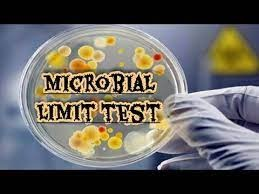
Read moreThe limits for Microbial Limit Test (MLT) for raw materials and finished products are defined based on the product category and regulatory requirements, such as those from pharmacopeias like the…
Read moreThe sample size for MLT is based on harmonized compendial requirements, where the sample quantity and media dilution are maintained at a 1:10 ratio. In fact, this is one of…
Read more*A 1:100 dilution helps bring the concentration of pathogens within the range that the test can accurately detect, especially when the initial concentration is very high. *A 1:100 dilution is…
Read moreEnvironmental Monitoring (EM) plates are released after ensuring that the results are valid and comply with regulatory requirements. *Fungal plates are incubated at 20โ25ยฐC for 72 hours, and bacterial transfer…
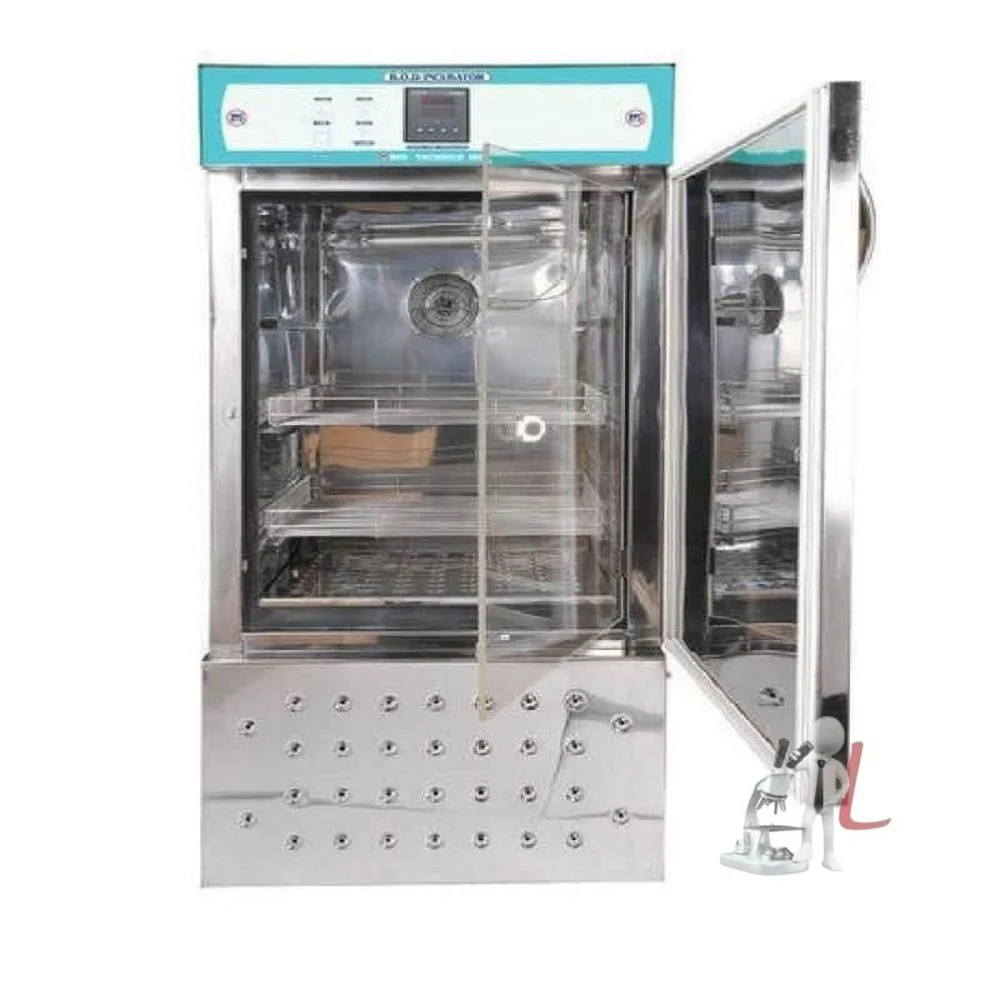
Read moreIncubator Mapping Activity involves validating and documenting the uniformity and consistency of temperature inside an incubator to ensure it meets required specifications. The BOD Incubator shall be used to Incubate…
Read moreThe number of incubators in a microbiology lab depends on the size of the lab and thevolume of testing performed. Typically, a microbiology lab may have 2-5 incubators, eachmaintained at…
Read moreNew instrument qualification involves a series of steps to ensure the instrument operates correctly and meets required specifications for its intended use in a regulated environment. The process typically follows…
Read moreValidation is the documented process of proving that a system, process, or equipment consistently produces results that meet predefined specifications and quality attributes. It ensures that products or processes work…
Read more