Change control is the formal system a pharmaceutical company uses to review, approve, and track changes that could affect product quality, safety, or compliance. Uncontrolled changes are a common cause of deviations, so regulators expect a clear and consistent process.
1. What Counts as a Change?
A change can be almost anything that affects a GMP activity, for example:
- A new or revised SOP, specification, or test method
- Equipment installation, relocation, or modification
- A new raw material or supplier
- A change in the manufacturing process or batch size
- Changes to the facility, utilities, or software systems
2. Types of Changes
- Minor: low risk, no effect on quality or registered details.
- Major: may affect product quality, validated status, or require regulatory notification.
- Critical: direct and significant effect on quality, safety, or the marketing authorisation.
3. The Change Control Process
Step 1: Raise the request. The initiator describes the change, the reason, and the proposed timing.
Step 2: Assess the impact. Relevant departments, such as QA, production, QC, engineering, and regulatory affairs, review the possible effects on quality, validation, documents, training, and registration.
Step 3: Classify and approve. QA classifies the change and approves it before any work starts.
Step 4: Implement. Complete the planned actions, such as updating documents, training staff, and qualifying equipment.
Step 5: Verify and close. QA checks that all actions are complete and that the change achieved its goal, then closes the record.
4. Example
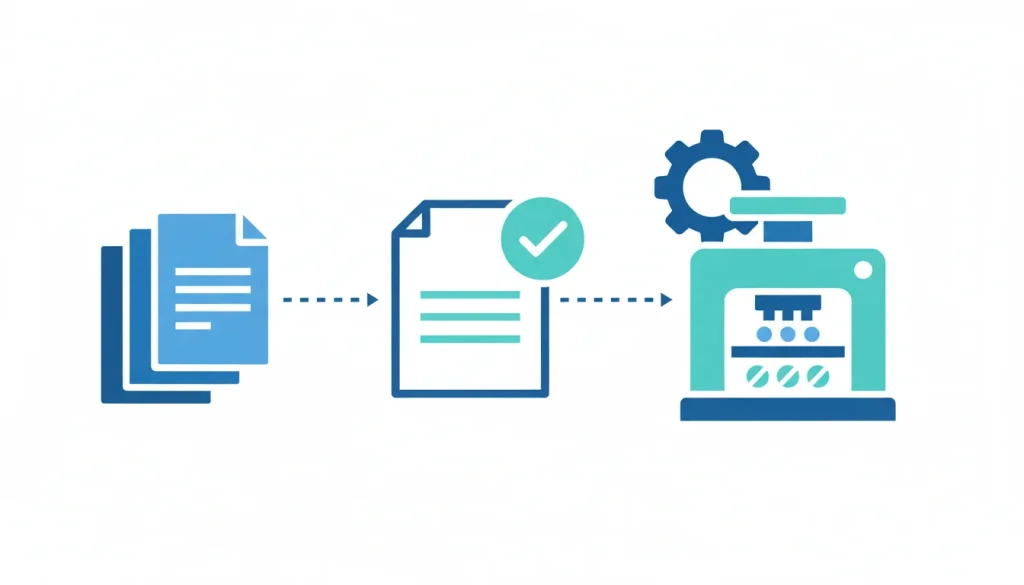
A company replaces a tablet compression machine with a newer model. The change control record covers equipment qualification, an updated SOP, operator training, process validation batches, and a check on whether the regulatory filing needs updating. The new machine is used for commercial batches only after QA approves these steps.
5. Common Mistakes
- Starting the change before approval
- Incomplete impact assessment
- Forgetting to update related documents or train staff
- Leaving changes open for a long time
- Ignoring the regulatory impact
Conclusion
Good change control keeps processes in a validated, controlled state. A clear, risk-based system helps companies improve safely without harming product quality.
This article is for general educational purposes. Always follow your own company procedures and applicable regulations.