Corrective and Preventive Action (CAPA) is one of the most important systems in pharmaceutical quality assurance. It gives a company a structured way to investigate problems, fix them, and stop them from happening again.
Regulators expect a working CAPA system, and weak CAPA handling is a common finding in audits and inspections. This guide explains what CAPA is, how the process works, and where companies often go wrong.
1. What Is CAPA?
CAPA has two parts:
- Corrective action removes the cause of a problem that has already happened, so it does not happen again.
- Preventive action removes the cause of a potential problem before it happens.
Both aim at the root cause. Fixing only the visible symptom is a correction, not a CAPA.
2. Where CAPA Comes From
CAPA can be triggered by many sources in a pharmaceutical company, such as:
- Deviations and out-of-specification (OOS) results
- Customer complaints and product returns
- Internal and external audit findings
- Change control reviews
- Trends in environmental monitoring or stability data
- Management review and risk assessments
Not every deviation needs a CAPA. A minor, isolated event with a clear one-off cause may only need a correction. A CAPA is usually opened when the issue is serious, repeated, or has a systemic cause.
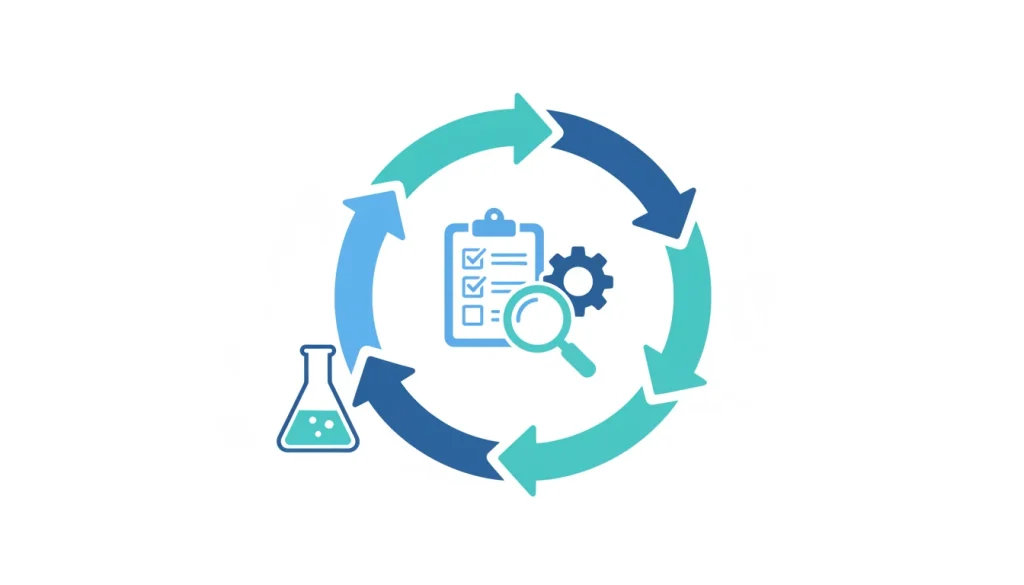
3. The CAPA Process Step by Step
Step 1: Identify and describe the problem. Write a clear, factual description of what happened, where, when, and which product, batch, or process was affected.
Step 2: Take immediate action. Contain the issue. This may mean quarantining material, stopping a process, or holding a batch until the investigation is finished.
Step 3: Investigate the root cause. Use a suitable tool, such as the 5 Whys, a fishbone (Ishikawa) diagram, or fault tree analysis. A good investigation looks at people, methods, materials, equipment, environment, and systems.
Step 4: Define the actions. Write corrective and preventive actions that address the confirmed root cause. Give each action an owner and a due date.
Step 5: Implement the actions. Complete them on time, and record the evidence, such as updated SOPs, training records, or equipment changes.
Step 6: Check effectiveness. After a set period, confirm that the problem has not returned. This might involve reviewing trends, repeating a test, or auditing the area.
Step 7: Close the CAPA. Quality assurance reviews the record and approves closure only when the actions are done and effectiveness is shown.
4. Example of a CAPA
Suppose several batches show a similar weighing error in the dispensing area. The investigation finds that the balance’s daily check was done but not clearly recorded, and the SOP was unclear about who must verify it.
- Corrective action: Revise the dispensing SOP and retrain the operators.
- Preventive action: Review similar balance checks in other areas and update their logbooks in the same way.
- Effectiveness check: Review dispensing records for the next three months to confirm no further errors.
5. Common CAPA Mistakes
- Blaming “human error” without digging deeper. Human error is usually a symptom of unclear procedures, poor training, or a weak system.
- Actions that do not match the root cause. Retraining alone is rarely enough.
- Missing deadlines. Overdue CAPAs are a frequent inspection finding.
- No effectiveness check. Closing a CAPA without proof that it worked.
- Opening too many CAPAs. A flooded system hides the issues that really matter.
6. Good Practices for a Strong CAPA System
- Use a risk-based approach, so the effort matches the seriousness of the issue.
- Write clear, measurable actions with owners and due dates.
- Track CAPA trends and review them in management meetings.
- Link each CAPA to its source record, such as the deviation or audit finding.
- Train staff on investigation methods and root cause analysis.
Conclusion
CAPA is more than paperwork. A well-run system finds the real cause of problems, fixes them properly, and shows that the fix worked. In pharmaceutical quality assurance, this protects product quality, patient safety, and compliance with regulatory expectations.
This article is for general educational purposes. Always follow your own company procedures and applicable regulations.